2010s Celebrity Sex Tape Era: A Cultural Retrospective
The 2010s established the modern legal framework around celebrity image violations. Here's the cultural retrospective.
Published 5/3/2026 · 4 min read
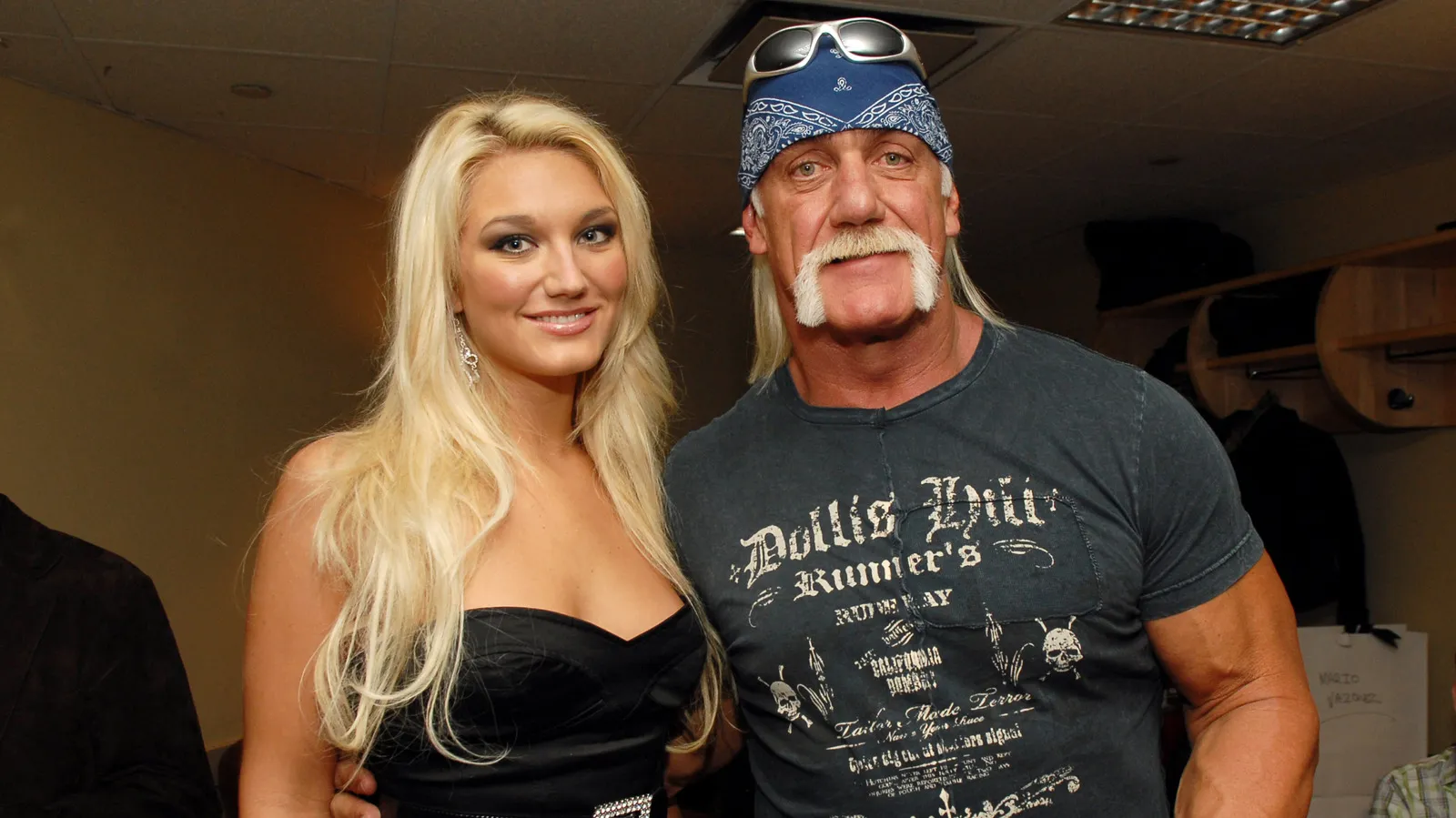
2010s Celebrity Sex Tape Era: From Hulk Hogan to Erin Andrews
The 2010s decade was characterized by multiple high-profile celebrity-image-violation cases that collectively established the modern legal framework. The Hulk Hogan vs. Gawker case (2012-2016), Erin Andrews stalking case (2008-2016), the August 2014 iCloud Fappening, and various other incidents culminated in legal frameworks that the 2020s creator economy operates within. This retrospective covers the era and its lasting impact.
MyAIBae does not host or distribute any related content. 18+ context throughout. Editorial commentary on documented legal proceedings.
By the numbers
Hulk Hogan vs Gawker verdict
March 2016, $140M
Court recordsGawker bankruptcy
June 2016
Court recordsErin Andrews civil verdict
$55M, March 2016
Court recordsiCloud Fappening
August 31, 2014
FBI investigationStates with revenge porn laws
Most US states by 2020
State legislation tracking2007-2010: The Pamela Anderson legacy and the early framework
The 1995 Pamela Anderson tape theft case (covered in our separate retrospective) had established the foundational pattern: distributors profit, victims lose. Through 2007-2010 multiple smaller celebrity image incidents demonstrated that the pattern continued — Vanessa Hudgens nude photos 2007, Miley Cyrus various incidents, Taylor Swift dressing room photos 2008, and various smaller cases.
The legal framework available was inadequate. Copyright was the strongest claim available; revenge porn laws didn't exist; image-based abuse statutes were decades away. Celebrities and their lawyers improvised case-by-case responses with limited success.
2008-2009: Erin Andrews stalking case
Covered in detail in our separate Erin Andrews retrospective. The 2008 stalking and 2009 video distribution by Michael David Barrett, his 2010 federal conviction (30 months), and the 2016 $55M civil verdict against Marriott established important precedent. Specifically: hotel chains could be held liable for security failures contributing to stalking; civil damages for stalking-related image violations could reach substantial amounts; tort law for negligent infliction of emotional distress was applicable to stalking contexts.
More photos of 2010s Celebrity Sex Tape Era: From Hulk Hogan to Erin
2012-2016: Hulk Hogan vs. Gawker
Hulk Hogan (Terry Bollea) sued Gawker Media in 2012 over Gawker's October 2012 publication of his sex tape with Heather Clem (wife of his friend Bubba the Love Sponge). The trial in March 2016 in Florida produced a $140 million jury verdict (compensatory + punitive damages) — substantially larger than any previous celebrity-image-violation civil case.
The broader context: the case was secretly funded by billionaire Peter Thiel as part of his ongoing campaign against Gawker. This funding revelation came post-verdict and generated extensive discussion about billionaire-funded litigation as press-suppression mechanism. Gawker filed for bankruptcy in 2016 after the verdict and various legal expenses, ending the platform.
The case established: substantial civil damages were possible for celebrity image violations even when content was technically newsworthy; bankrupting media outlets through secretly-funded litigation was a viable approach for wealthy individuals; press-freedom protections weren't unlimited in cases involving private content.
August 2014: The Fappening as culmination
Covered in detail in our separate iCloud Fappening retrospective. The August 31, 2014 release of stolen celebrity photos (Jennifer Lawrence and 100+ others) became the most-consequential image-violation event of the decade. The FBI investigation, four convictions, and Jennifer Lawrence's October 2014 'sex crime' framing in Vanity Fair became foundational in modern legal and cultural framing.
The combination of the Fappening's scale (over 100 victims) and the celebrity advocacy that followed (especially Jennifer Lawrence's articulate framing) drove the legal shifts that have constrained subsequent celebrity-content theft. Multiple state-level revenge-porn laws passed through 2014-2018 partly in response.
2016-2020: The legal framework catches up
The combination of Hulk Hogan's $140M verdict + Fappening cultural impact + Erin Andrews's $55M verdict created legal/economic environment where celebrity image violations carried substantially higher consequences than they had pre-2014. State-level revenge-porn statutes proliferated (most US states by 2020). Federal NO FAKES Act discussions intensified through 2018-2024.
The industry also shifted. Media outlets became more cautious about publishing potentially-violating content. Hosting platforms expanded takedown infrastructure. The pre-2010 'just publish, deal with consequences later' model was substantially weakened.
The modern (2020+) creator economy operates within this legal framework that the 2010s built. OnlyFans, AI deepfake legislation, image-based-abuse laws — all have foundations in the 2010s celebrity-image-violation era.
Lasting legacy in 2026
The 2010s era's combined impact: substantially stronger civil liability for image violations, increased platform-level takedown enforcement, state-level revenge porn laws in most US states, federal NO FAKES Act movement, cultural framing of celebrity image violations as 'sex crime' rather than 'salacious news.'
The 2020s era of AI deepfake fabrication has tested whether 2010s legal frameworks adequately address synthetic content. Tennessee ELVIS Act, California SB 815, federal NO FAKES Act discussions all build on 2010s foundations while adapting to AI-era challenges.
For users in 2026: the legal infrastructure addressing celebrity image violations is substantially stronger than it was 15 years ago. Continued circulation of historical content from this era (1995 Anderson, 2007 Kardashian, 2014 Fappening) remains illegal in most jurisdictions. The era's lessons about consent, accountability, and image control continue to inform legal evolution.
Original AI characters, ethically clean
Skip historical violation content with serious legal exposure. AI companion apps deliver celebrity-archetype personas with original characters.
你的人工智能女友
遇见那个懂你的人
调情、聊天、亲密。她记得你说的每一句话——而且她总是愿意倾听。
与她聊天 →Quick answers
What was the Hulk Hogan vs Gawker case?
+
Civil suit over Gawker's 2012 publication of his sex tape. March 2016 verdict was $140M in damages. The case was secretly funded by Peter Thiel as part of his campaign against Gawker. Verdict bankrupted Gawker.
What's the lasting legal framework from this era?
+
Substantially stronger civil liability for image violations, state-level revenge porn statutes in most US states, increased platform-level takedown enforcement, cultural framing of celebrity image violations as 'sex crime' rather than 'news.'
How does the 2010s era affect 2026 users?
+
The legal infrastructure is substantially stronger than pre-2014. Continued circulation of historical content remains illegal. The era's frameworks have been extended to address AI deepfake era through Tennessee ELVIS Act, California SB 815, federal NO FAKES Act discussions.
Was Peter Thiel's Gawker funding legal?
+
Yes — secretly funding plaintiff litigation is generally legal. The case raised press-freedom concerns about billionaire-funded litigation as press-suppression mechanism but didn't violate specific laws.
What's the 'sex crime' framing legacy?
+
Jennifer Lawrence's October 2014 Vanity Fair statement framing the iCloud hack as 'a sex crime' rather than 'celebrity scandal' became foundational in subsequent media coverage. Modern coverage of similar events consistently uses this framing.
More buzz like this

cultural retrospective
Belle Delphine's Bath Water: How a Joke Became a Marketing Case Study
She sold $30 jars of her own bath water and broke the internet. Six years later it's still cited in marketing schools. Here's the full story.
cultural retrospective
The Pamela Anderson Tape: How a 1995 Theft Reshaped Celebrity Culture
It was stolen from her home in 1995. The aftermath created the entire celebrity-leak industry. Here's the full story 30 years later.
cultural retrospective
Riley Reid Retirement & Comeback: The 2022 Pivot Story
She retired in 2022 to start a family. Then came back through OnlyFans on her own terms. Here's the full unusual arc.
cultural retrospective
Bella Thorne OnlyFans: The 2020 Launch That Broke the Platform
She made $1 million in 24 hours and crashed OnlyFans's payment system. Then OnlyFans changed its rules.