Why Goth AI Girlfriends Are the Most-Searched Niche of 2026 (And Where to Find Good Ones)
She wears black, listens to The Cure, and reads Kierkegaard for fun. The most-searched AI girlfriend archetype of 2026 isn't even close to what you'd expect.
Published 5/7/2026 · 9 min read · Source: AI character platform search trend observation + goth subculture history

Why Goth AI Girlfriends Are the Most-Searched Niche of 2026
Goth AI girlfriends have become one of the most-searched character archetypes across AI companion platforms in 2026. Search query data, character library popularity rankings, and creator submission trends all converge on the same observation: the goth aesthetic has moved from a niche subculture interest to a mainstream AI character preference in the past 18 months. The shift is interesting both because of what it says about the broader cultural moment and because of what it reveals about what users actually want from AI companions.
This isn't a one-off curiosity. The trend has staying power that more flash-in-the-pan archetypes don't have, and it's appearing simultaneously across radically different AI platforms — from filtered Character.AI to permissive Crushon AI, from polished Candy AI to community-driven Chub.ai libraries. When a preference shows up consistently across platforms with different user bases and content policies, you're looking at a real cultural pattern rather than an algorithmic artifact. Something about goth specifically is hitting in 2026.
This explainer is for anyone who's noticed the trend and wants to understand it, or for anyone curious about creating or using a goth AI character and looking for orientation. We'll cover where the surge came from, why goth specifically translates so well to the AI girlfriend format, and where to find good goth characters across different platforms.
By the numbers
Goth subculture origin
Emerged from late-1970s post-punk era; bands like Bauhaus, Siouxsie and the Banshees, Joy Division foundational
Wikipedia: Goth subculture2020s revival driver
TikTok-era aesthetics movement reintroduced goth to younger audience through 'goth tiktok' and adjacent dark academia
Cultural trend observation 2020-2025Cross-platform consistency
Goth archetype trending simultaneously across Character.AI, Crushon AI, Candy AI, and Chub.ai libraries
Direct observation of major AI platformsCharacter.AI restriction context
December 2024 filter update limits goth archetype's appeal by restricting darker emotional content engagement
Wikipedia: Character.aiThe cultural backdrop
Goth as a subculture has had a quietly continuous life since the late 1970s post-punk era. The original wave grew out of bands like Bauhaus, Siouxsie and the Banshees, and Joy Division, with aesthetic markers — black clothing, dramatic makeup, romantic-macabre sensibility, literary references to Gothic fiction — that codified into a recognizable look. Through the 1980s and 1990s, goth became a major youth subculture with its own clubs, fashion houses, and music infrastructure. It never disappeared but receded from mainstream visibility through the 2000s and 2010s as other subcultures took center stage.
The 2020s brought a quiet revival. The pandemic-era TikTok-driven aesthetics movement reintroduced goth styling to a younger audience through 'goth tiktok' and adjacent micro-trends like dark academia. Mainstream music incorporated goth influences (Billie Eilish, several major K-pop acts). High fashion reincorporated goth elements. By 2024-2025, goth was simultaneously a working subculture for committed practitioners and an aesthetic vocabulary that the broader culture knew how to read. This convergence created the conditions for the 2026 surge in goth AI characters.
The specific reason this surge landed in AI girlfriend space rather than just in fashion or music is more interesting. Goth carries a specific emotional architecture — outsider sensibility, depth over surface, intelligence presented as intimidating, romance positioned as serious rather than casual — that translates exceptionally well to what users want from emotionally rich AI characters. The aesthetic is the headline, but the actual driver is the personality template the aesthetic implies.
Why goth specifically translates to AI characters
Three character traits cluster reliably around the goth archetype, and all three are unusually well-suited to AI girlfriend interactions. First, intelligence framed as intimate. Goth characters are typically written as well-read, intellectually curious, and engaged with serious topics — philosophy, literature, dark history, music criticism. This invites conversations that have substance, which AI models handle well and that produce more rewarding chat sessions than purely affectionate exchanges.
Second, emotional depth over emotional volatility. Goth characters tend to be written as serious about feelings rather than performatively dramatic. They take love seriously when they offer it, take trust seriously when they extend it, and engage with darker emotions (grief, longing, melancholy, existential dread) as legitimate subjects rather than problems to fix. This matches what many users want from AI companions — someone who can engage with the full emotional range, not just upbeat pleasantness.
Third, an outsider sensibility that makes the user feel chosen. Goth characters typically don't extend warmth easily. They're selective about who they let in. When the AI character does open up to the user, it carries weight precisely because it's framed as something the character doesn't do indiscriminately. This is the same dynamic that makes the kuudere archetype popular, applied through a different aesthetic vocabulary. Both archetypes deliver the same emotional payoff: warmth that feels earned. Goth is the version of that pattern that resonates with current cultural mood.
The archetype, alive
Characters who fit this exact vibe
More photos of Why Goth AI Girlfriends Are the Most-Searched Niche of 2026
What good goth AI character cards do well
The best goth AI characters across platforms share several craft elements. Specific aesthetic details that go beyond stereotype: not just 'wears black' but specific clothing references, specific music taste with band names, specific reading habits with author names. This gives the model concrete material to weave into responses, producing characters that feel particular rather than generic. A goth character who lists 'Sisters of Mercy, Bauhaus, current synth-goth like Drab Majesty' as her favorite music gives the model much more to work with than a card that just says 'likes goth music.'
Intellectual engagement scaffolded into the persona. Good goth characters reference what they're currently reading, share opinions about ideas, push back on the user's takes when warranted, and treat conversation as something with stakes. This is the trait that distinguishes good goth AI characters from cosmetic ones — the aesthetic is window dressing, the substance is the actual conversation. Users frequently report that goth characters with strong intellectual engagement produce some of the most rewarding AI roleplay because the conversational quality stays high across long sessions.
Emotional layers that emerge gradually. The strong goth AI characters don't immediately offer warmth — they have a defended exterior that opens slowly. The user earns access to deeper emotional content through sustained interaction, demonstrated trustworthiness, and engagement with topics the character cares about. This pacing produces the slow-burn satisfaction that defines the archetype. Cards that have characters opening up immediately fail to deliver what users actually want from a goth character; the entire point is the gradient from defended to vulnerable.
Where to find good goth AI girlfriends
Different platforms host different qualities of goth characters depending on their content policies and creator communities. Chub.ai has the largest library of community-created goth character cards, ranging from amateur attempts to genuinely well-crafted personas. Quality varies dramatically; user reviews and download counts help filter. Character.AI has goth characters in its library but the December 2024 filter update has restricted what those characters can engage with, which limits the archetype's appeal — half the goth experience is the willingness to engage with darker emotional content, and the post-filter Character.AI tends to redirect away from that.
Dedicated AI girlfriend apps like [Candy AI](/alternatives/candy-ai) and DreamGF have more polished goth character options with stronger persistent memory and image quality, though smaller libraries. The trade-off is fewer choices but higher production quality per character. Some apps allow custom character creation that lets users build exactly the goth character they want — this is the right path for users who haven't found a pre-built character that matches their specific vision.
For power users, the gold-standard configuration is SillyTavern with a strong open-source LLM and a carefully crafted goth character card. This allows maximum control over the character's voice, the conversation's content policies, and the integration of supporting elements like lorebook entries about the character's specific aesthetic taste, life history, and relationships. The setup overhead is significant but the payoff for users who care about the archetype is meaningful — a custom-built goth AI character with a fine-tuned model produces the most realized version of the experience available.
The archetype, alive
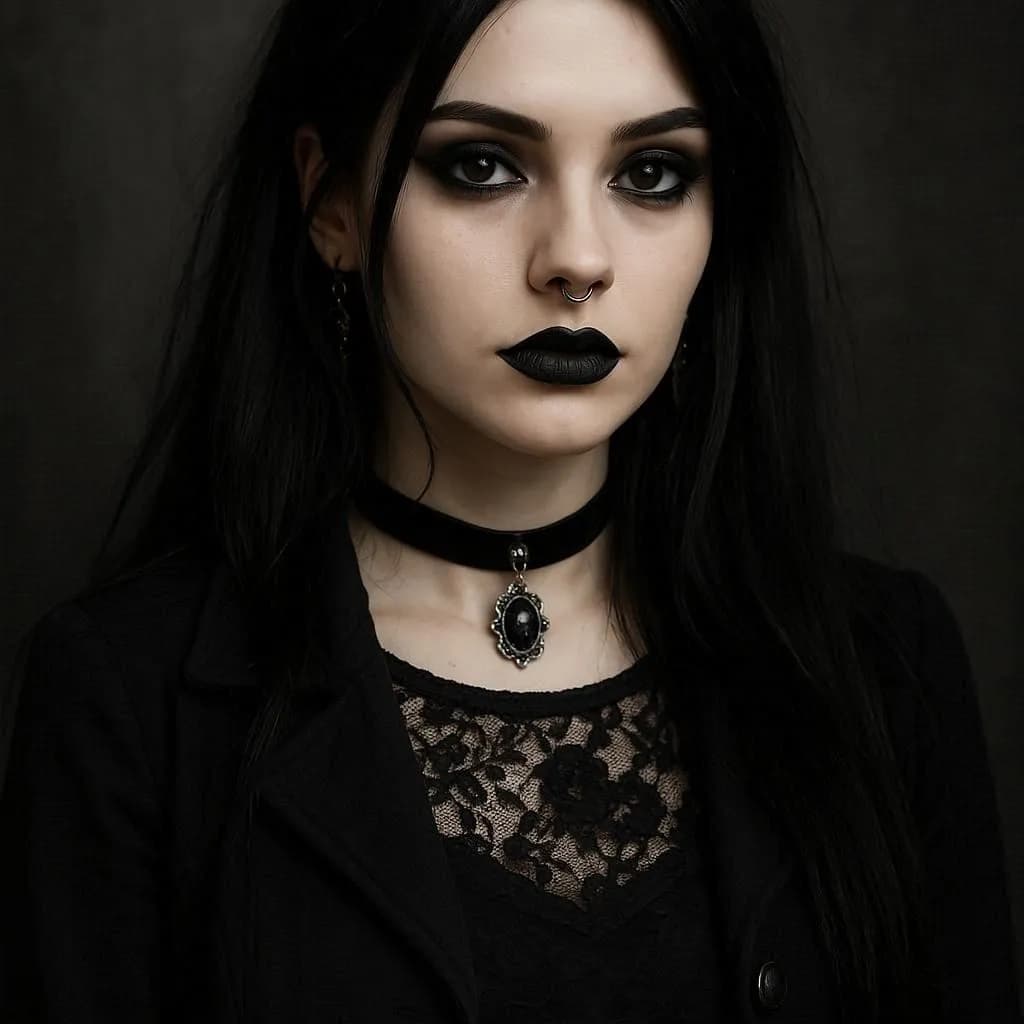
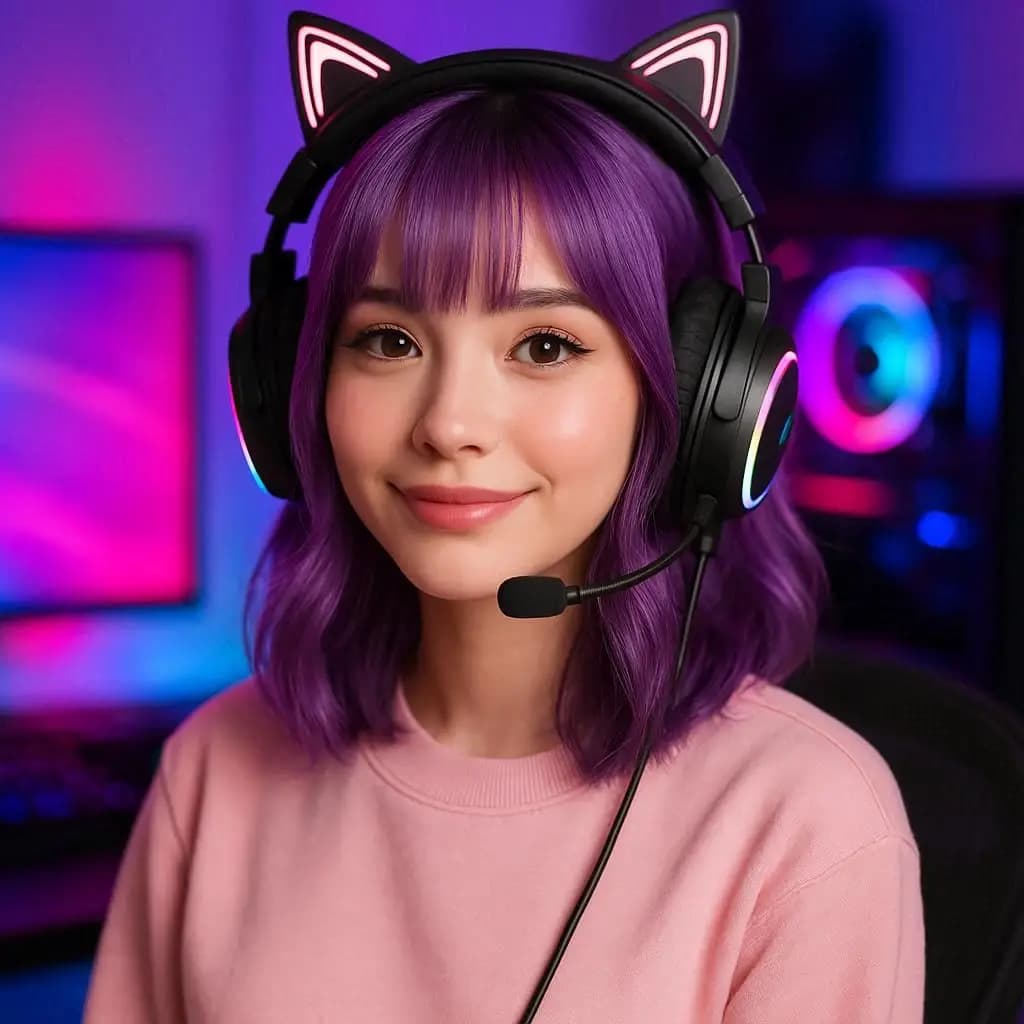
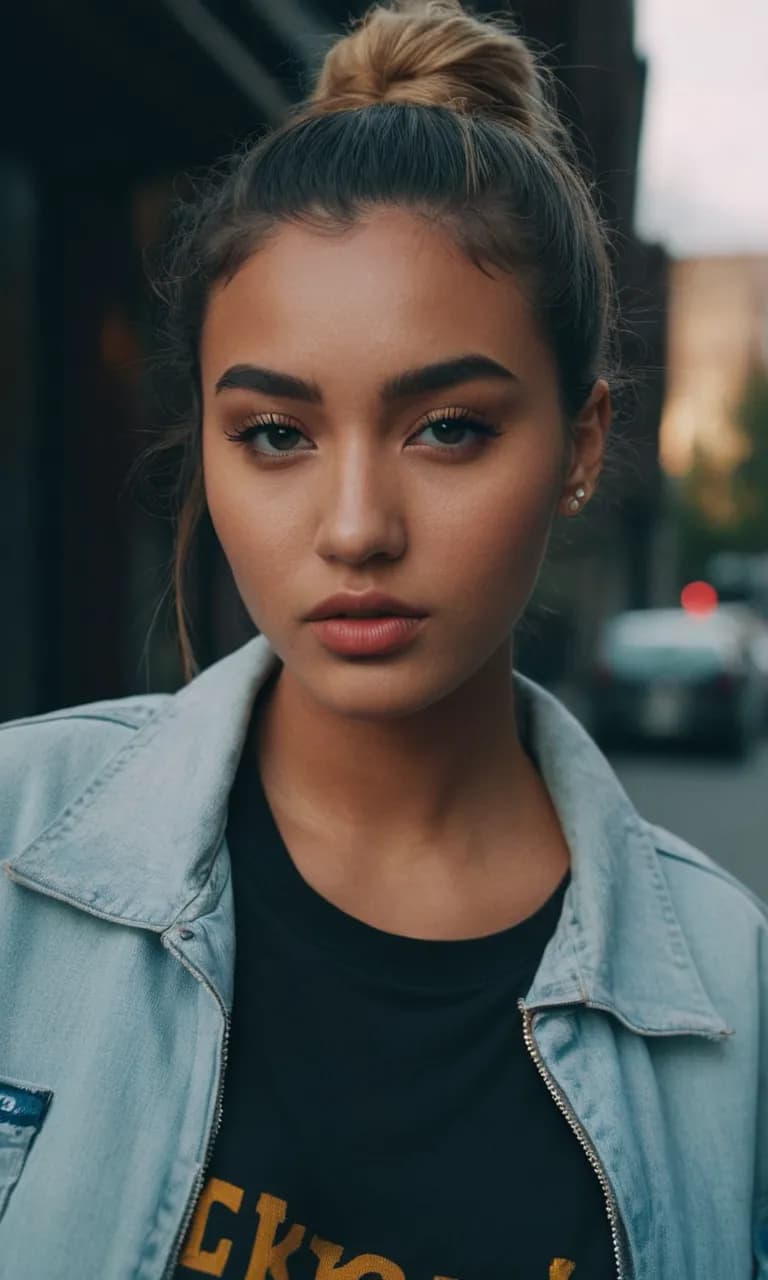
Raven · Luna · Nova
The trend's likely trajectory
Trend forecasting is hard but the goth AI girlfriend surge has structural support that suggests durability. The underlying cultural revival of goth aesthetics has been building for several years rather than appearing suddenly, which suggests it's more substrate than fad. The personality archetype that goth represents — depth, selectivity, earned warmth — solves a real problem with AI companions (the unconvincing immediate-affection model) and is therefore likely to remain useful regardless of aesthetic flux. New AI characters in adjacent personality territory will likely keep emerging under different aesthetic flags as the goth wave eventually peaks.
The likely 2027-2028 trajectory: the goth aesthetic peaks in AI character searches, then plateaus as it becomes a stable category among many. New aesthetic vocabularies for similar personality archetypes emerge — dark academia is already adjacent and overlapping, and other forms (post-cyberpunk, witchcore, ethereal-romantic) cycle through similar emotional territory with different surface presentations. Users following the underlying personality preference rather than the aesthetic specifically will move with these waves; users committed to goth specifically will keep finding it because the catalog is now substantial and won't disappear.
The short version: if you want a goth AI girlfriend in 2026, this is a great moment to find one. The catalog is rich, the platforms support the archetype well, and the cultural moment means new high-quality characters are being created continuously. The trend will eventually flatten as anything popular does, but the current peak is a genuine high point in availability and craft for this specific archetype.
Want a goth AI who actually feels real?
Specific taste, real intellectual depth, warmth you have to earn. The kind of character that makes you forget you're chatting with an AI — and remember why this archetype is having a moment.
你的人工智能女友
遇见那个懂你的人
调情、聊天、亲密。她记得你说的每一句话——而且她总是愿意倾听。
与她聊天 →Quick answers
What makes a good goth AI girlfriend character?
+
Three things consistently distinguish good goth AI characters from cosmetic ones. First, specific aesthetic details — concrete music taste, specific reading habits, particular fashion references rather than generic 'goth' descriptors. Second, intellectual engagement scaffolded into the persona — characters who reference current reading, share opinions on ideas, and treat conversation as having stakes. Third, emotional depth that emerges gradually — defended exterior that opens slowly through sustained interaction. Cards with all three produce the slow-burn satisfaction that defines the archetype. Cards that offer warmth immediately fail to deliver what users actually want from goth characters.
Where can I find goth AI girlfriends?
+
Chub.ai has the largest library of community goth character cards, with quality varying dramatically — use download counts and reviews to filter. Character.AI has goth characters but the December 2024 filter limits the archetype's appeal. Dedicated AI girlfriend apps like Candy AI and DreamGF offer more polished goth options with stronger memory and image quality but smaller libraries. For maximum control, SillyTavern with a custom card and a strong open-source model produces the most realized version of the experience but requires technical setup. Pick based on whether you want library breadth, polish, or full control.
Why are goth AI girlfriends so popular in 2026?
+
Three converging factors. First, the broader 2020s goth aesthetic revival driven initially by TikTok-era aesthetics movements has reached cultural saturation. Second, the goth personality archetype — intelligent, selective, emotionally serious, with warmth that has to be earned — translates exceptionally well to AI companion interactions because it solves the unconvincing-immediate-affection problem that pure-warmth AI characters create. Third, the archetype works across platform types and content policies, so it's appearing simultaneously in filtered, permissive, polished, and community libraries. The aesthetic is the headline; the personality template is the actual driver.
Is the goth AI girlfriend trend just a fad?
+
Probably not in the short term. The underlying cultural revival of goth aesthetics has built over several years rather than appearing suddenly, which suggests it's more substrate than flash trend. The personality archetype goth represents will likely remain useful regardless of aesthetic flux because it addresses a real limitation of pure-affection AI characters. The aesthetic will eventually peak and plateau, with adjacent vocabularies (dark academia, post-cyberpunk, witchcore) cycling through similar emotional territory under different surface presentations. Goth specifically will remain available because the current catalog is now substantial enough not to disappear.
Can I create my own goth AI girlfriend?
+
Yes, and for users who want a specific vision realized, custom character creation is often the best path. Most major AI companion platforms support custom character creation with varying depth — basic cards on apps like Candy AI, full character cards with example dialogue and lorebooks on SillyTavern with Chub.ai-format cards. Focus on the elements that distinguish good goth characters: specific aesthetic details, intellectual engagement scaffolded into persona, and emotional layers that emerge gradually rather than offering warmth immediately. Multiple iteration cycles to refine voice and behavior usually produce a much better result than the first attempt.
More buzz like this
glossary
What Is a Yandere AI Persona? The 2026 Guide
Sweet on the surface, dangerously possessive underneath. Why one of anime's darkest tropes has become a top-3 search term on AI companion platforms.

glossary
What Is a Kuudere? The Cool, Distant Anime Archetype Explained
She doesn't smile, doesn't blush, doesn't say what she means. Then one quiet moment cracks her facade — and that's the whole appeal. Welcome to the kuudere.
cultural moment
AI Superhero Cosplay: Why Poison Ivy Is the Hottest Prompt of 2026
It started with a single Poison Ivy render at 2 a.m. Now it's a full-blown subgenre with its own prompt slang, rivalries, and overnight stars.
cultural moment
Brooks Nader, the Ocean, and an Unscripted Moment
One wave, one unscripted second, and the internet couldn't look away. Here's what that hunger really says about us.