10 Ways to Spot AI Deepfake Content in 2026
Deepfake quality has improved dramatically through 2023-2026. Here are 10 practical signals that still reveal fabrication.
Published 5/3/2026 · 3 min read
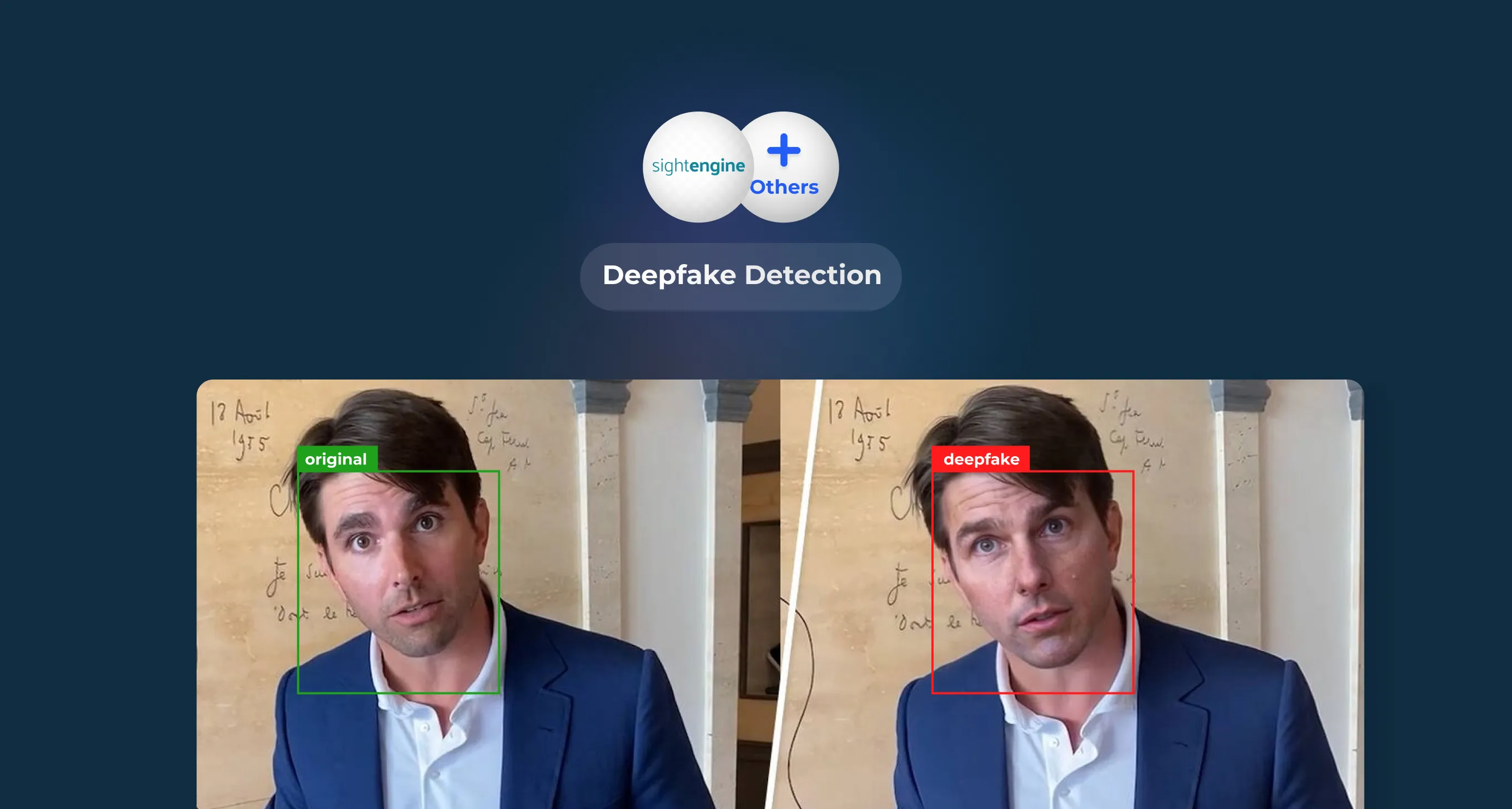
10 Ways to Spot AI Deepfake Content in 2026
AI deepfake quality has improved dramatically through 2023-2026, making fabrication harder to detect. But practical techniques still reliably identify most fabricated content. This listicle covers ten signals that work in 2026, ordered roughly by reliability.
18+ context throughout. Editorial guidance for users wanting to identify fabricated content.
By the numbers
AI image generation quality leap
Stable Diffusion 2.0+ era 2022+
ML historyHand-detail weakness
Persistent through 2026
AI capability researchEye reflection consistency
Most-reliable detection signal
Deepfake detection researchReverse image search tools
Google Images, TinEye, Yandex
Public search tools10. Reverse image search
Run any suspect image through Google Images, TinEye, or Yandex reverse image search. Real celebrity photos typically have multiple sources across the internet — news articles, official accounts, Wikipedia. AI-generated content usually appears in fewer locations or only on aggregator sites. Reverse search is the easiest first-pass check.
9. Source credibility
Where did you encounter the content? Aggregator sites (4chan boards, Telegram channels, smaller forums) host substantially more fabricated content than mainstream platforms. Major streaming platforms (Netflix, HBO Max, Disney+) only host legitimate licensed content. Twitter and Reddit fall in between with mixed content. Source credibility correlates with content reality.
More photos of 10 Ways to Spot AI Deepfake Content in 2026
8. Hair detail anomalies
AI image generation has improved substantially but still struggles with hair detail in specific contexts. Look for: hair strands that pass through skin or other objects, hair patterns that don't follow natural growth direction, hair that 'merges' with background unnaturally, or hair that appears too uniform across the head. Real photographs show natural hair variation that AI sometimes flattens.
7. Hand and finger anomalies
AI image generation's classic weakness is hand structure. Even improved 2024-2026 models sometimes produce: incorrect finger counts, fingers that don't bend at proper joints, hand positions that look anatomically wrong, fingers that merge or have unclear separation. Hand detail is one of the most reliable deepfake signals.
6. Background coherence
AI image generation often produces backgrounds that look correct at first glance but have logical inconsistencies on closer inspection — text that's gibberish, structures with impossible architecture, repeating patterns where there shouldn't be, depth that doesn't match perspective. Real photographs have backgrounds that hold up under scrutiny.
5. Skin texture uniformity
AI-generated skin often appears too uniform — pores, blemishes, texture variation are smoothed in ways that don't match real photography. Real skin has natural variation across face and body. AI faces often look 'too perfect' in ways that subtly trigger uncanny-valley reaction even before users consciously identify the artifact.
4. Eye reflection consistency
Real photographs show specific patterns of light reflection in eyes — catchlights from light sources, color temperature that matches scene lighting, both eyes showing reflections from same light sources at consistent angles. AI generation often produces eye reflections that don't match across both eyes or don't follow the apparent lighting. This is one of the most-reliable detection signals when available.
3. Audio-visual sync (for video deepfakes)
Deepfake video that combines synthesized face with separately-generated audio often shows subtle lip-sync misalignment. Watch the mouth carefully relative to the audio — even high-quality deepfakes typically show lip-sync drift over a few seconds. Real video has tight lip-sync because face and audio were captured together.
2. Contextual implausibility
Deepfakes often place celebrities in scenarios that wouldn't actually occur — content matching their typical work, behaviors that contradict their public positions, contexts they wouldn't realistically be in. Real celebrity content typically has provenance — where was it filmed, who else was involved, what other documentation exists. Fabricated content usually fails the 'provenance' test.
1. Cross-reference verification
The most reliable single technique: cross-reference any suspected deepfake against the celebrity's verified social media + news coverage + official statements. Real content typically has multiple verification paths. Fabrications rarely have any. If a celebrity 'leak' has no corresponding social media reference, no news coverage, and no statement from anyone involved — it's almost certainly fabricated. The combination of the prior 9 signals + cross-reference verification will identify most deepfakes.
Original AI characters, no detection needed
Skip the deepfake detection complexity. AI companion apps deliver celebrity-archetype personas with original characters — legitimate, transparent, ethical.
你的人工智能女友
遇见那个懂你的人
调情、聊天、亲密。她记得你说的每一句话——而且她总是愿意倾听。
与她聊天 →Quick answers
Has deepfake quality improved a lot in 2026?
+
Yes substantially. The 2023-2026 era saw multiple capability leaps. But practical detection signals remain — particularly hand details, eye reflections, audio-visual sync, and cross-reference verification.
What's the most reliable detection signal?
+
Cross-reference verification. If suspected celebrity content has no corresponding social media, news coverage, or official statements, it's almost certainly fabricated. Real celebrity content has provenance; fabrications don't.
Can AI generate hands correctly now?
+
Mostly yes for simple poses, but anomalies still appear in complex hand positions or interactions. Hand detail remains one of the more reliable detection signals when checking suspect content.
What about deepfake voice content?
+
Voice synthesis has improved similarly. Detection signals include: subtle voice quality differences from authentic recordings, prosody patterns that don't match the person's documented speech patterns, contextual implausibility, lack of provenance with corroborating documentation.
Should I use these techniques to consume deepfake content?
+
These techniques are intended for identifying fabrication so users can avoid deception, not for confirming 'good' fabrications to consume. Distributing AI deepfake content of identifiable real people without consent is increasingly illegal in many jurisdictions. Identification + avoidance is the appropriate response.
More buzz like this
story listicle
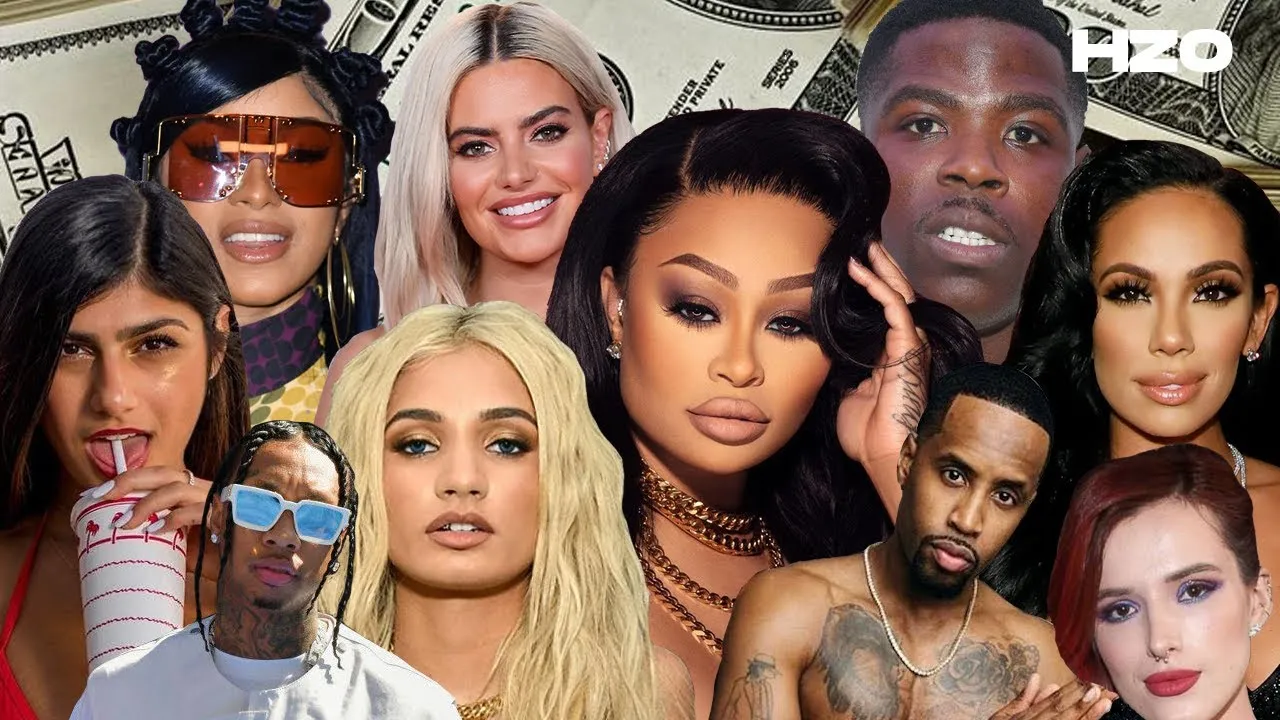
10 OnlyFans Creators Who Got Famous From a Scandal
These ten creators turned a viral scandal into a seven-figure career. The playbook is consistent enough to study. Here it is.
story listicle
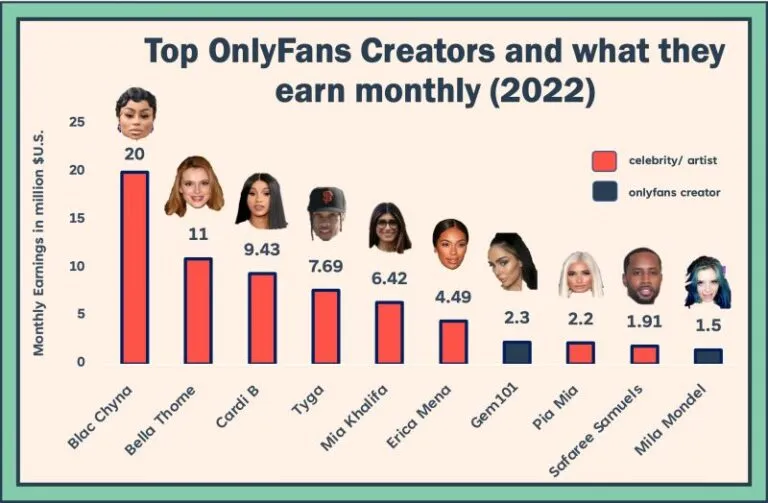
Top 10 OnlyFans Earners in 2026: The Real Numbers
These 10 creators each gross more than most CEOs. Here's exactly how much they make and how they got there.
story listicle
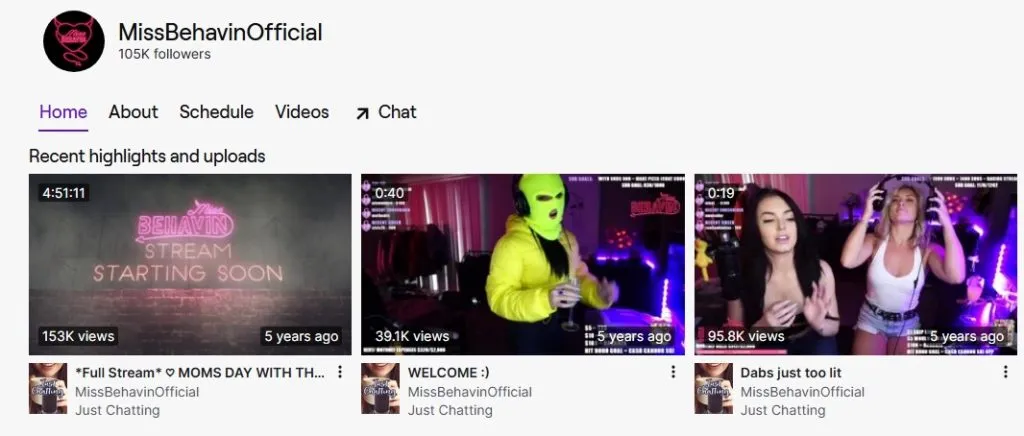
10 Twitch Streamers Who Crossed Over to OnlyFans
From Twitch ban cycles to OnlyFans launches — these ten streamers turned platform conflict into seven-figure pivots.
story listicle
Jenna Jameson Rise and Fall: 7 Career Phases That Defined an Era
She defined adult content for the 1990s and 2000s. Her career arc has 7 distinct phases.