The 2014 iCloud Hack: How 'The Fappening' Reshaped Celebrity Privacy
On August 31, 2014, hundreds of celebrity nude photos hit the internet. The investigation took years. Here's the full story.
Published 5/3/2026 · 5 min read
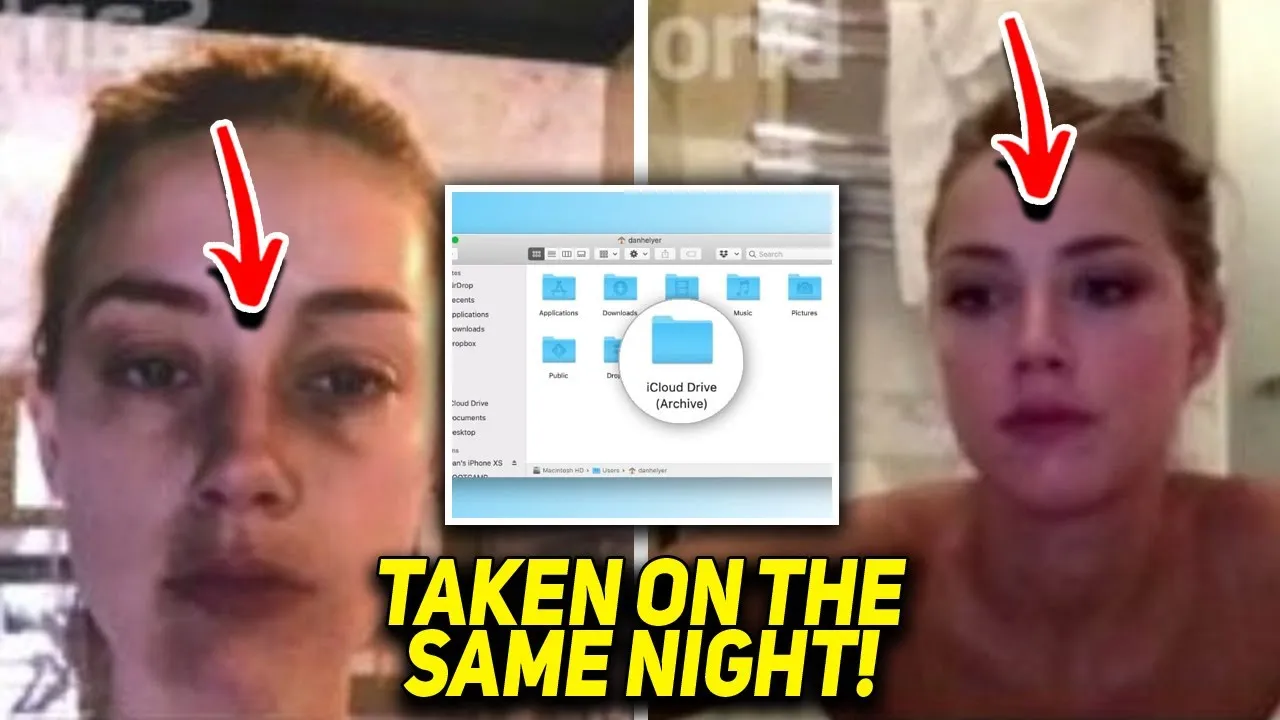
The 2014 iCloud Hack: How 'The Fappening' Reshaped Celebrity Privacy
On August 31, 2014, anonymous 4chan users began posting hundreds of private celebrity photos that had been stolen from iCloud accounts via phishing attacks. The event — colloquially called 'The Fappening' on internet forums — affected over 100 celebrities including Jennifer Lawrence, Kate Upton, Kirsten Dunst, and many others. The cultural and legal aftermath spanned nearly a decade and reshaped digital privacy law, cloud security, and how celebrities approach personal devices.
This is the retrospective of one of the most consequential digital-privacy events in modern entertainment. MyAIBae does not host or distribute any of the affected content. 18+ context throughout.
By the numbers
Initial release
August 31, 2014 (4chan)
Multiple media outletsAffected celebrities
Over 100
FBI investigation recordsPrimary attack vector
iCloud phishing
Apple security response / FBIConvictions
4 individuals, 8-18 month sentences
DOJ recordsJennifer Lawrence statement
October 2014, Vanity Fair
Vanity FairAugust 31, 2014: The release
Anonymous users on 4chan began posting hundreds of private celebrity photos to that platform's /b/ board on August 31, 2014. Within hours the photos had spread to Reddit (r/TheFappening, since banned), Twitter, and dozens of mirror sites. Affected celebrities included Jennifer Lawrence, Kate Upton, Kirsten Dunst, Mary Elizabeth Winstead, Jenny McCarthy, and many others — over 100 in total.
The photos had been stolen from iCloud accounts via targeted phishing attacks over the preceding months. The hackers had impersonated Apple support emails to obtain login credentials. They had then accessed iCloud backups containing photos that the targets had taken on iPhones and synced automatically.
The immediate response was chaotic. Apple denied a security breach (technically accurate — the attacks targeted users via phishing rather than exploiting iCloud directly). Multiple celebrities issued statements describing the violations. Jennifer Lawrence's statement framing the events as 'a sex crime' became one of the defining quotes of the era.
The FBI investigation and convictions
The FBI launched investigations almost immediately. The case became one of the largest cybercrime investigations of the era. Through 2015-2018, multiple individuals were identified, charged, and convicted: Ryan Collins (sentenced to 18 months), Edward Majerczyk (9 months), Emilio Herrera (16 months), George Garofano (8 months).
The convictions were, in retrospect, modest given the scope of the violation. The plea deals and sentences focused narrowly on the specific phishing attacks rather than on the distribution networks that propagated the photos. The actual platform operators who profited from hosting the content largely escaped prosecution.
This pattern — moderate punishment for hackers, no punishment for distributors — became a recurring theme in image-based abuse law. The 2014 case was foundational in subsequent legislation that explicitly addressed distribution platforms (revenge porn statutes, Section 230 carve-outs, the NO FAKES Act discussions).
The archetype, alive
Characters who fit this exact vibe
More photos of The 2014 iCloud Hack: How 'The Fappening' Reshaped
The cloud security overhaul
Apple responded with substantial security changes through 2014-2016. Two-factor authentication became more aggressively recommended. iCloud account security was strengthened. Notification systems for unauthorized access attempts were improved. Phishing-resistant security mechanisms were introduced.
The broader cloud security industry shifted similarly. The 2014 events demonstrated that 'cloud sync of personal photos' was a much higher-risk feature than users had appreciated. Subsequent product design across the industry has been influenced by lessons learned. Users' default expectation of cloud security increased; product design adapted to meet it.
The cultural and legal impact
Multiple direct legacies emerged from the 2014 event. Revenge porn statutes that had been slowly expanding through 2010-2014 accelerated rapidly post-Fappening. By 2018 most US states had revenge-porn laws; by 2024 most had updated to address deepfake content. The Tennessee ELVIS Act (2024) and California SB 815 (2025) explicitly cite cases like the 2014 hack as foundational precedent.
The cultural conversation shifted. Phrases like 'sex crime' applied to image-based violation became standard rather than fringe. The treatment of victims by mainstream media improved dramatically — the 2014 victims were initially treated with significant tabloid sensationalism; the 2020s framing of similar events is more sympathetic and creator-rights-aware.
Multiple affected celebrities have spoken publicly about long-term impact through the years. Jennifer Lawrence has been particularly outspoken; Mary Elizabeth Winstead has done advocacy work; others have stayed mostly private about the long-term effects. The damage was real and substantial, even though the broader cultural conversation eventually rallied to the victims' side.
The archetype, alive
Luna · Ava · Isabella
2026 perspective and the AI deepfake parallel
Twelve years after the 2014 hack, the pattern of 'image-based violation against celebrities' has shifted from stolen private photos to AI-generated deepfake fabrications. The legal infrastructure built post-2014 (revenge porn laws, image-based abuse statutes) is now being adapted to address the deepfake era.
The lessons from 2014 inform modern advocacy: that platforms hosting violating content should face liability, that perpetrators should face meaningful consequences, that victims deserve protective legal frameworks. These principles took years to establish post-2014; they're now being applied to the AI era more efficiently.
For users searching for content from the 2014 hack in 2026: continued circulation is illegal in most jurisdictions, ethically participates in the original violation, and has no legitimate use. The substitution alternative for those interested in celebrity-aesthetic content is AI companion apps with original characters — the only legal, ethical, creator-respect-aligned option.
The clean alternative: original AI characters
Skip the legal exposure of historical leak content. AI companion apps deliver celebrity-archetype personas with original characters, no theft.
你的人工智能女友
遇见那个懂你的人
调情、聊天、亲密。她记得你说的每一句话——而且她总是愿意倾听。
与她聊天 →Quick answers
How were the iCloud photos stolen?
+
Through targeted phishing attacks. The hackers impersonated Apple support emails to obtain login credentials, then accessed iCloud backups containing automatically-synced photos from celebrities' iPhones. There was no direct iCloud breach in a technical sense — the attacks exploited human psychology rather than Apple's infrastructure directly.
Who was prosecuted for the 2014 hack?
+
Four individuals: Ryan Collins (18 months), Edward Majerczyk (9 months), Emilio Herrera (16 months), George Garofano (8 months). The sentences were modest given the scope. Distribution platforms that propagated the photos largely escaped prosecution.
Are the 2014 hack photos still circulating?
+
Copies still exist on aggregator sites in various jurisdictions. Continuing distribution is illegal in most US states. We don't link or recommend any source. Continuing consumption participates in the original violation.
What did the 2014 hack change for celebrity privacy?
+
Major changes: (1) cloud security got fundamentally rethought across the industry; (2) revenge porn statutes accelerated dramatically through 2014-2018; (3) cultural framing of celebrity-image violations shifted from sensationalism toward sympathy; (4) modern deepfake legislation has 2014 case law as foundational precedent.
Has there been a similar event since?
+
Multiple smaller-scale events have occurred (the 'Celebgate 2.0' attempts, various individual hacking cases), but nothing matching the scale of August 2014. The infrastructure protections built since then have made events at that scale much harder. The current pattern is AI deepfake generation rather than stolen private content.
More buzz like this
leak fact check
Sophie Rain Leak: What's Real, What's Fake
Search volume for 'Sophie Rain leak' has hit five-figure monthly impressions. We unpacked every claim circulating right now — most don't hold up.
cultural retrospective
Kim Kardashian Tape: How a 2007 Leak Built a Billion-Dollar Empire
It was sold to Vivid Entertainment in 2007 for $1 million. Sixteen years later it had built an empire worth $2 billion.
cultural retrospective
Joan Cusack Returns: First Red Carpet in 11 Years
She vanished from Hollywood at the peak of her career. On May 28, Joan Cusack reappeared - and the internet collectively gasped.
cultural retrospective
Hannah Murray's Cult Story: Skins Star's Darkest Hours
She played the most fragile teenager on British TV.