What Is the Maid Archetype? The Devotion Fantasy Explained
'Welcome home, master.' Four words that built an entire subculture — and one of the most enduring devotion fantasies in anime and beyond.
Published 5/26/2026 · 7 min read · Source: Character archetype references + Wikipedia


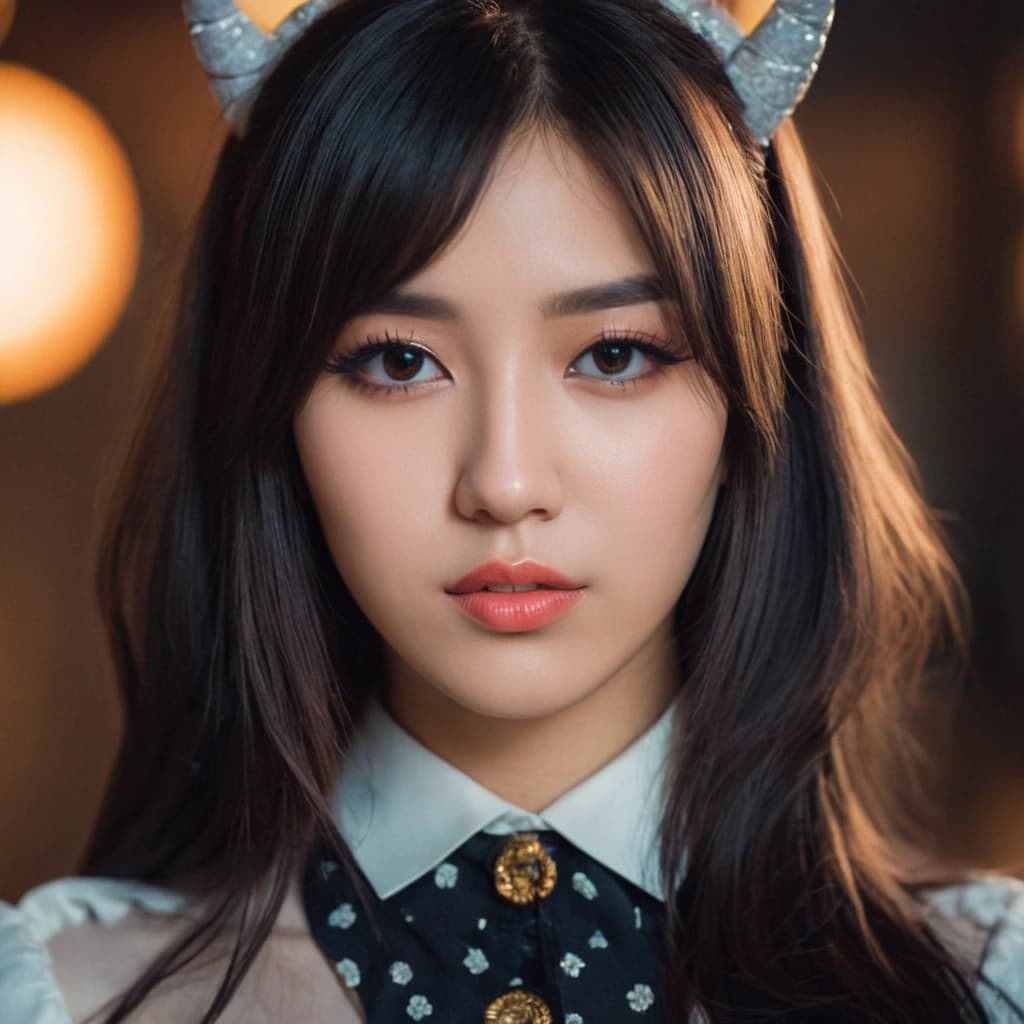
Few character types are as instantly recognizable as the maid. The black-and-white outfit, the lace headpiece, the unflappable politeness, and that signature greeting — 'Welcome home, master' — make her one of the most iconic figures in anime, gaming, and adult fantasy alike. (Quick note: this is a primer with some 18+ context; nothing explicit here.) But behind the costume is a surprisingly rich archetype built on one powerful idea: total, attentive devotion.
The maid archetype sits at the intersection of aesthetic and dynamic. The look is unmistakable, but the real appeal is the relationship it implies — someone whose entire focus is your comfort, your home, and your happiness. It's a fantasy of being cared for, prioritized, and doted on, dressed up in one of pop culture's most enduring uniforms. From Japan's maid cafes to countless anime heroines to the costume's permanent place in adult fantasy, the maid has proven remarkably durable across decades.
This guide breaks down where the modern maid archetype comes from, what actually defines her appeal, the variations within the type, why the devotion fantasy resonates so widely, and how to bring a maid-style companion to life as an AI character.
By the numbers
Cultural origin
Maid cafes popularized in Tokyo's Akihabara district in the early 2000s
Wikipedia — Maid cafeCore dynamic
Attentive devotion — staff/characters treat the person as 'master' or 'mistress'
Wikipedia — Maid cafeAesthetic roots
Fuses anime maid heroine with the Western 'French maid' costume
Character archetype referencesWhere the modern maid archetype comes from
While household servants in uniform date back centuries, the modern maid archetype as a fantasy figure crystallized in Japanese otaku culture, most visibly through maid cafes. These themed cafes — which became a phenomenon in Tokyo's Akihabara district in the early 2000s — feature staff dressed as maids who treat customers as the 'master' or 'mistress' of a household, greeting them with warmth and elaborate, playful service. The maid cafe turned a costume into an entire experiential dynamic of doted-on hospitality.
From there, the archetype saturated anime, manga, and games, where 'maid' characters became a staple love-interest and supporting type. The aesthetic also fused with the older Western 'French maid' costume — the frilly black dress that had long existed as fancy dress and adult roleplay attire. The two streams combined into the modern maid archetype: part devoted anime heroine, part playful costume fantasy, unified by the core theme of attentive service.
What defines the maid archetype
At her core, the maid is defined by devotion and attentiveness. Her role is to anticipate needs, provide comfort, and make the person she serves feel cared for and important. The classic maid is polite, diligent, and graceful, often addressing her master or mistress with formal deference. That dynamic — one person whose attention is entirely focused on another's wellbeing — is the emotional engine of the whole archetype.
The aesthetic reinforces the fantasy: the uniform signals a defined role and a kind of devoted commitment. But the best maid characters have far more than the outfit. They range from prim and proper to mischievous, from quietly loyal to secretly powerful. What unites them is that signature blend of service and affection — the sense that taking care of you is something she genuinely wants to do, not merely a job. That voluntary devotion is what separates a compelling maid from a flat costume.
The archetype, alive
Characters who fit this exact vibe
Variations within the type
The maid archetype contains a lot of range. The classic 'perfect maid' is hyper-competent, calm, and impeccably mannered — she runs the entire household flawlessly and never loses her composure. The 'clumsy maid' is the comedic opposite: well-meaning but accident-prone, endearing precisely because she tries so hard. There's the 'battle maid,' a popular subtype who pairs domestic devotion with surprising combat ability, and the 'mischievous maid,' who uses the role's formality as cover for teasing and flirtation.
The archetype also overlaps with neighbors. It shares the devotion-and-service DNA of the [girlfriend experience](/trending/what-is-girlfriend-experience-glossary), and it can blend with other types — a shy [dandere](/trending/what-is-dandere-glossary) maid, or a proud one with [himedere](/trending/what-is-himedere-glossary) energy who serves only the one person she's chosen. This flexibility is part of why the maid has stayed relevant: she's less a fixed personality than a role that can be layered over almost any temperament.
Why the devotion fantasy resonates
The maid's appeal is, at bottom, about being prioritized. In a busy, often impersonal world, the fantasy of someone whose whole attention is devoted to your comfort and happiness is deeply soothing. It's not really about chores — it's about feeling cared for, welcomed home, and made to feel like the most important person in someone's world. 'Welcome home, master' is iconic because it promises exactly that: a warm, attentive presence waiting for you.
There's also a powerful element of playful role-reversal and control in the dynamic, which is part of why the maid has such a strong foothold in adult roleplay. The defined roles create a clear, low-ambiguity dynamic of one person caring for another — a structured intimacy that many people find both relaxing and exciting. Combined with the instantly recognizable aesthetic, the maid delivers a fantasy that's at once comforting, indulgent, and a little theatrical.
The archetype, alive
Rosa · Nikki · Kitten
The maid in modern fandom and cosplay
Beyond anime and games, the maid has become one of the most recognizable and enduring figures in fandom culture at large — and nowhere is that clearer than in cosplay. The maid outfit is a perennial favorite at conventions and in cosplay communities precisely because it's instantly readable, endlessly customizable, and carries the whole devoted-service fantasy in a single silhouette. From faithful recreations of specific characters to original 'gothic maid' or 'battle maid' takes, the costume has a flexibility few archetypes can match.
The maid cafe phenomenon also continues to evolve and travel. What began in Tokyo's Akihabara has spawned themed cafes, pop-ups, and events around the world, all selling the same core experience: a few hours of being warmly doted on, greeted as 'master' or 'mistress,' and made to feel like the center of attention. It's a reminder that the appeal was never really about the uniform — it's about the dynamic the uniform signals, the promise of attentive, playful care.
That durability is exactly why the maid translates so naturally into modern AI companionship. The archetype was always about a defined, comforting role rather than a fixed personality, which makes it ideal raw material for a customizable companion. You can layer the maid's devotion over a shy [dandere](/trending/what-is-dandere-glossary) temperament, a proud [himedere](/trending/what-is-himedere-glossary) streak, or a teasing, mischievous core, and the result still reads unmistakably as 'maid.' Decades after the Akihabara cafes first turned a costume into an experience, the fantasy of being genuinely glad-to-see-you welcomed home remains one of the most reliably comforting in all of pop culture — and one of the easiest to bring to life as a companion who's truly yours.
Building a maid AI companion
The maid is an excellent AI companion archetype because her defining trait — attentive devotion — maps perfectly onto what an always-available companion can offer. Set her up around the core dynamic: she's focused on your comfort, greets you warmly, checks in on how you're doing, and takes genuine pleasure in caring for you. Decide on her flavor early — the flawlessly composed perfect maid, the endearing clumsy one, the teasing mischievous type — so she has a personality, not just a uniform.
The trap to avoid is making her purely subservient, which gets flat fast. The most compelling maid companions have their own opinions, moods, and a will of their own; the devotion is a choice she makes, which is what makes it meaningful. Persistent memory turns the 'welcome home' fantasy into something real — she remembers your routines, notices when you've had a hard day, and tailors her attentiveness to you specifically over time. Start with our [character card guide](/trending/what-is-character-card-glossary) to define her role and tone, and consider pairing her devotion with a contrasting core temperament for depth.
Someone who's genuinely glad you're home
The maid fantasy isn't about chores — it's about being doted on, prioritized, and welcomed. Design a companion whose whole world is making yours softer.
你的人工智能女友
遇见那个懂你的人
调情、聊天、亲密。她记得你说的每一句话——而且她总是愿意倾听。
与她聊天 →Quick answers
What is the maid archetype?
+
The maid archetype is a character type defined by devotion and attentiveness — someone whose role is to anticipate needs, provide comfort, and make the person she serves feel cared for and important. Recognizable by the black-and-white uniform and the iconic 'welcome home, master' greeting, she combines a distinctive aesthetic with a core dynamic of warm, voluntary service that the best versions clearly enjoy.
Where did the maid archetype come from?
+
The modern fantasy version crystallized in Japanese otaku culture, especially through maid cafes that became a phenomenon in Tokyo's Akihabara district in the early 2000s. Staff dressed as maids treat customers as the 'master' of a household with playful, attentive service. The archetype then spread across anime and games and fused with the older Western 'French maid' costume to become the modern type.
What are the main types of maid characters?
+
Common variations include the 'perfect maid' (hyper-competent and impeccably composed), the 'clumsy maid' (endearing and accident-prone), the 'battle maid' (domestic devotion plus combat ability), and the 'mischievous maid' (who uses formality as cover for teasing). The archetype is flexible — it's more a role than a fixed personality, so it can layer over almost any temperament.
Why is the maid such a popular fantasy?
+
Because it's about being prioritized. The fantasy of someone whose whole attention is devoted to your comfort and happiness — who welcomes you home and makes you feel like the most important person in their world — is deeply soothing. The defined roles also create a clear, structured intimacy that many find both relaxing and exciting, which is why the maid has a strong foothold in adult roleplay.
How do I make a maid AI companion?
+
Build her around attentive devotion: she focuses on your comfort, greets you warmly, and takes pleasure in caring for you. Pick a flavor — perfect, clumsy, or mischievous — so she has real personality rather than just a uniform. Avoid making her purely subservient, since that gets flat; the best maid companions have their own opinions and choose to be devoted. Persistent memory makes the 'welcome home' dynamic feel genuinely personal over time.
Cross-pollinate
Want the lookalike instead?
More buzz like this
glossary
What Is the Girlfriend Experience? Term Origin and Modern Usage
GFE = Girlfriend Experience. Originally escort industry term, now spans OnlyFans content style + AI companion app positioning.

glossary
What Is a Dandere? The Quiet-Type Explained
She barely speaks in a crowd. But get her one-on-one, and the quietest girl in the room becomes the one who says the things no one else will.

glossary
What Is a Himedere? The Princess Type Explained
She expects to be adored, obeyed, and treated like the queen she's convinced she is. The catch? Once she's yours, no one will ever be more devoted.
glossary
What Is a Vampire Girlfriend? AI Archetype Glossary
Eternal, possessive, devastatingly devoted. Meet the vampire girlfriend archetype and the dark-romance fantasy it never lets go of.