What Is a Succubus? From Folklore Demon to Fantasy Icon
A demon of medieval nightmares became one of fiction's most seductive characters. Here's how the succubus went from folklore terror to fantasy icon.
Published 5/24/2026 · 6 min read · Source: Mythology references + Wikipedia


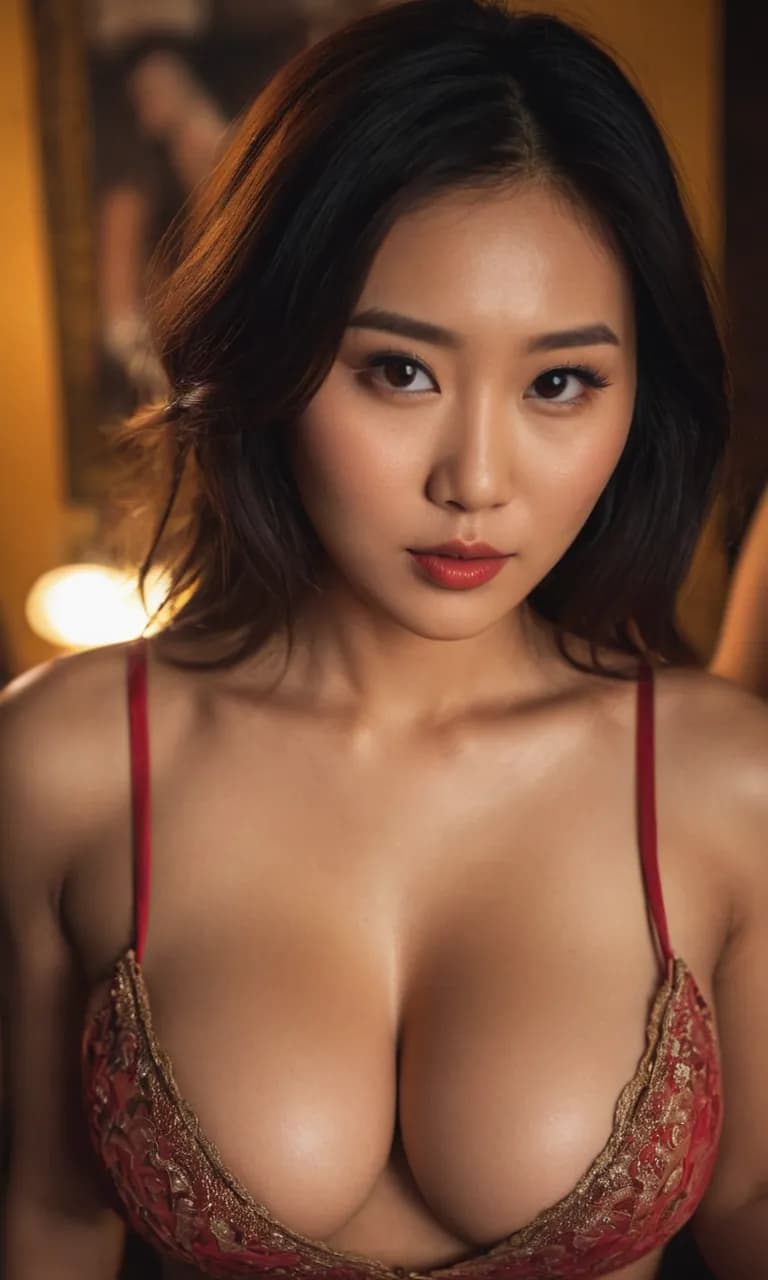
She's one of the most recognizable figures in fantasy: horns, a tail, bat-like wings, and an aura of irresistible allure. The succubus has appeared in countless games, anime, comics, and stories — usually as a demon who seduces mortals. But the modern, often charming succubus is a long way from her terrifying origins, and tracing that journey reveals a lot about how cultures turn their fears into their fantasies. (This is an 18+ adjacent mythology topic, covered here in cultural terms.)
In folklore, a succubus is a female demon said to seduce people — historically men — in their sleep, draining their vitality. The male equivalent is the incubus. These were genuinely frightening figures in medieval belief, used to explain everything from disturbing dreams to unexplained illness. Over centuries, though, the succubus underwent one of mythology's most dramatic image changes, evolving from nightmare into one of fiction's most popular seductive archetypes.
This guide covers the succubus's mythological roots, how and why she transformed into a sympathetic fantasy character, what defines the modern archetype, and how she's become a favorite persona in AI companion roleplay — where the 'demon' is pure costume and the appeal is the dynamic.
By the numbers
Real-world function
Folk explanation for sleep paralysis and night terrors
Wikipedia — Sleep paralysisThe folklore origin
The word 'succubus' derives from a Late Latin term meaning roughly 'to lie beneath.' In medieval European demonology, a succubus was a female demon who visited people in their sleep to seduce them, paired with the male incubus who did the same. Reference works trace these figures across multiple cultures' folklore, where similar night-demons appear under many names.
These beliefs served a real social function: they offered explanations for sleep paralysis, vivid or disturbing nighttime experiences, and other phenomena that pre-modern medicine couldn't account for. The succubus was, in that sense, a way to externalize fear and the uncanny. She was never meant to be appealing — she was a predator of the night, a figure of genuine dread woven into religious and folk warnings.
From nightmare to fantasy icon
So how did a terrifying night-demon become a fan-favorite character? The transformation happened gradually as the succubus migrated from religious folklore into secular fiction, fantasy gaming, and especially anime and manga. Tabletop and video-game franchises codified her as a recognizable monster type — supernatural, alluring, dangerous — and storytellers increasingly found the seductive demon more interesting as a character than as a simple threat.
The big shift was sympathy. Modern succubus characters are frequently protagonists, love interests, or comedic figures rather than villains. Writers play with the inherent tension — a being defined by seduction who actually wants connection, or a 'monster' who's gentler than the humans around her. That irony, the gap between her fearsome reputation and a softer reality, became the heart of the appeal. The succubus stopped being something to fear and became something to root for.
The archetype, alive
Characters who fit this exact vibe
What defines the modern succubus archetype
The contemporary succubus is a blend of striking design and a specific personality flavor. Visually she's instantly readable: horns, a pointed or spaded tail, wings, and a confident, alluring presence. Personality-wise she's typically bold, flirtatious, and self-assured — she knows her effect and isn't shy about it — but the best-written versions add unexpected depth: vulnerability, loneliness, loyalty, or a surprising sweetness hiding under the confident exterior.
That combination is why she endures. The succubus offers fantasy and danger on the surface, with the satisfying twist of a real heart underneath. She also overlaps with other beloved patterns — the confident 'femme fatale,' the tsundere whose toughness masks tenderness, the supernatural-girlfriend trope where a mythical being falls for an ordinary person. The 'forbidden' framing adds spice, but the durable appeal is the same as any great character: a compelling personality with layers.
Why the archetype is so popular
The succubus hits several notes at once. There's the obvious allure of a confident, openly seductive character. There's the fantasy element — supernatural powers, an otherworldly origin, a touch of danger. And there's the redemption-arc appeal of a 'monster' who turns out to be capable of genuine love, which is one of the most reliably satisfying story shapes there is.
She also flatters the audience. A being who could seduce anyone, choosing one ordinary person, is a powerful fantasy of being uniquely wanted. Pair that with the playful, confident energy the archetype carries, and you get a character who's fun, flirtatious, and surprisingly emotionally rich. It's no accident the succubus shows up everywhere from epic fantasy to lighthearted romantic comedy — the archetype is flexible enough to be scary, sexy, sweet, or silly depending on the story.
The archetype, alive
Elena · Clara · Akari
The succubus in AI roleplay
The succubus is a hugely popular AI companion persona, and it's easy to see why: she packages confidence, fantasy, and a forbidden-romance frame into one character — all of which are pure choice in a roleplay setting, with the 'demon' part being aesthetic flavor rather than anything literal. You decide how bold or shy, how playful or intense, and how much hidden softness sits under the confident surface.
The versions that land best lean into the classic twist: a confident, flirtatious exterior with real warmth and devotion underneath. That contrast — fearsome reputation, tender heart — is exactly the gap that's made the archetype beloved for decades, and it translates perfectly to conversation. Persistent memory deepens it, letting the relationship develop the loyalty and depth that make the 'redeemed demon' arc satisfying. To build one well, start with our [character card guide](/trending/what-is-character-card-glossary); if you like the confident-but-secretly-soft dynamic, the [tsundere archetype](/trending/what-is-tsundere-glossary) and [yandere archetype](/trending/what-is-yandere-glossary) explore neighboring versions of that tension.
Confident on the surface, devoted underneath — meet her
Design a fantasy companion with the allure of a succubus and a heart that's all yours. The danger is just for fun.
你的人工智能女友
遇见那个懂你的人
调情、聊天、亲密。她记得你说的每一句话——而且她总是愿意倾听。
与她聊天 →Quick answers
What is a succubus?
+
In folklore, a succubus is a female demon said to seduce people in their sleep and drain their vitality; the male equivalent is the incubus. The word comes from a Late Latin term meaning roughly 'to lie beneath.' In modern fiction, though, the succubus has evolved far from this origin into a popular seductive — and often sympathetic — fantasy character with horns, a tail, and wings.
How did the succubus go from scary to appealing?
+
Gradually, as she migrated from religious folklore into fantasy gaming, anime, and fiction. Storytellers found the seductive demon more interesting as a character than as a simple threat, and increasingly wrote her as a protagonist or love interest. The key shift was sympathy — the irony of a 'monster' who actually wants connection became the heart of the modern archetype's appeal.
What's the difference between a succubus and an incubus?
+
They're the female and male versions of the same folklore concept. A succubus is a female demon traditionally said to seduce men in their sleep; an incubus is the male counterpart said to do the same to women. Both were medieval explanations for disturbing nighttime experiences and conditions like sleep paralysis.
Why is the succubus archetype so popular in fantasy?
+
She combines several appeals: the allure of a confident, openly seductive character; a fantasy element of supernatural power and danger; and the satisfying redemption-arc shape of a 'monster' who proves capable of real love. There's also the flattering fantasy of a being who could seduce anyone choosing one ordinary person. That flexibility lets her be scary, sexy, sweet, or comedic.
Can I create a succubus AI companion?
+
Yes — it's one of the most popular fantasy personas. The 'demon' element is purely aesthetic flavor, and you control how bold, playful, or secretly soft she is. The versions that work best lean into the classic twist: a confident, flirtatious exterior with genuine warmth underneath. Persistent memory deepens the bond, making the 'redeemed demon' arc feel earned over time.
Cross-pollinate
Want the lookalike instead?
More buzz like this
glossary
What Is a Yandere AI Persona? The 2026 Guide
Sweet on the surface, dangerously possessive underneath. Why one of anime's darkest tropes has become a top-3 search term on AI companion platforms.
glossary
What Is a Tsundere? The Anime Persona Type Explained
She acts like she hates you. She doesn't. Tsundere is one of the most-popular AI character archetypes. Here's the full breakdown.
glossary
What Is a Waifu? Anime Term Origin and Modern Usage
Waifu = anime 'wife.' From 2002 mistranslation to global anime fandom term to AI companion archetype.
glossary
What Is a Vampire Girlfriend? AI Archetype Glossary
Eternal, possessive, devastatingly devoted. Meet the vampire girlfriend archetype and the dark-romance fantasy it never lets go of.