Whatever Happened to Bree Olson? The Full Story
She was everywhere in 2011, then chose to disappear. The real story of Bree Olson is sadder and smarter than the tabloids told it.
Published 5/24/2026 · 5 min read · Source: Editorial retrospective
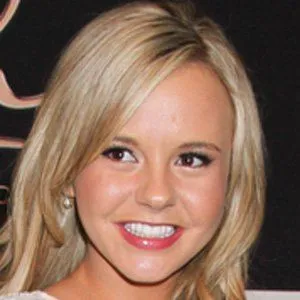
Whatever Happened to Bree Olson?
For a stretch around 2010 and 2011, Bree Olson was inescapable — first as one of the most awarded adult performers of her era, then as one of the two women Charlie Sheen famously paraded as his 'goddesses' during his very public meltdown. And then, almost as fast as she arrived in the mainstream tabloid consciousness, she stepped out of it.
This is a retrospective on where she actually went, and it's a more thoughtful story than the headlines ever bothered to tell. (The subject matter is 18+, though this piece is editorial — no explicit content.) Olson didn't flame out or vanish into scandal. She left the adult industry deliberately, and she has spent the years since as one of its most articulate critics — not of the work itself, but of how society treats the people who do it.
Real name Rachel Oberlin, she has become, somewhat unexpectedly, an important voice on stigma, second chances, and the gap between how a culture consumes adult content and how it treats the humans who make it. Here's the arc.
By the numbers
Signature statement
'Porn didn't hurt me. The way society treats me for having done it does.'
Public interviewsThe rise: 2006–2010
Born Rachel Oberlin in October 1986, Bree Olson entered the adult industry in late 2006 and rose quickly. Over roughly five years she performed in well over a hundred films, signed as a contract performer with Adam & Eve, and racked up industry recognition including a Penthouse Pet of the Month honor in 2008. By the turn of the decade she was one of the most recognizable names in the business.
What set her apart, even then, was a certain accessibility — a girl-next-door framing that made her crossover-ready in a way many of her peers weren't. That readability is part of why the mainstream tabloid world was about to grab her, for reasons that had nothing to do with her actual career.
The Charlie Sheen circus: 2011
In early 2011, Olson became a household name for the strangest possible reason: she was one of two women — Sheen called them his 'goddesses' — living with Charlie Sheen during the actor's spectacularly public unraveling, the 'tiger blood' and 'winning' era that dominated entertainment news for months.
The relationship lasted roughly six months and ended in April 2011. For Olson it was a brutal bargain. The exposure was enormous, but it came as a tabloid sideshow attached to someone else's crisis, not as recognition of her own work. She has since described how the association followed her in unhelpful ways — a vivid example of how mainstream fame, for an adult performer, often arrives on terms they don't control and can't benefit from cleanly.
More photos of Whatever Happened to Bree Olson?
The exit and the hard part after
Olson left the adult industry in 2011. And here's where her story becomes genuinely valuable rather than just nostalgic: she has been candid, repeatedly and articulately, about how difficult the 'after' was. She has spoken about working reluctantly as a webcam model because conventional employment doors quietly closed, about the stigma that trailed her into ordinary life, and about the structural unfairness of an industry that generates enormous value while leaving its performers without the royalties or protections mainstream entertainers take for granted.
Her most-quoted line cuts to the center of it: 'Porn didn't hurt me. The way society treats me for having done it does.' It reframes the entire conversation — away from the moralizing question of whether someone should have done the work, and toward the more honest question of why a society that consumed her content so eagerly treats her as disqualified from everything else.
Where she is now
In the years since, Olson has lived a far more private life than her 2011 ubiquity would suggest, surfacing mostly to advocate and to speak frankly about the industry rather than to court attention. She has been open about her identity and personal life — she identifies as a lesbian, is vegan, and by the early 2020s was reported to be married — and has used interviews and platforms to push back on stigma and on the economics that shortchange performers.
The quiet is, in a sense, the point. After being defined for years by other people's narratives — the awards machine, then the Sheen circus — she reclaimed the right to be a regular person with opinions, a partner, and a life off-camera. 'Whatever happened to Bree Olson' has a satisfying answer: she walked away on purpose and became one of the clearest-eyed commentators on the world she left.
Her legacy and the modern echo
Olson's lasting contribution may end up being her honesty about the *cost* of the exit — a counterweight to the tidy 'retired rich' success stories. She made the case, before it was common to, that the problem isn't the work but the stigma and the broken economics around it, and that argument has only grown more relevant as the creator economy has exploded and millions more people have monetized intimacy online.
There's a modern echo here too. Part of what fans were drawn to in performers like Olson — the approachable, girl-next-door warmth — is precisely the archetype the AI companion era now makes available without anyone having to bear the stigma she described. The appeal can live on as a consensual, private, archetype-based companion, while the human is free to be a person. For the archetype context, see /alternatives/riley-reid and /alternatives/lana-rhoades, and the broader exit stories at /trending/top-onlyfans-creators-who-retired-rich-listicle.
The archetype lives on — consensually
Loved the approachable, girl-next-door warmth? Meet an AI companion built around that exact energy — private, attentive, and entirely yours.
你的人工智能女友
遇见那个懂你的人
调情、聊天、亲密。她记得你说的每一句话——而且她总是愿意倾听。
与她聊天 →Quick answers
Who is Bree Olson?
+
Bree Olson, born Rachel Oberlin in 1986, is a former adult-film performer who was among the most recognizable names in the industry from roughly 2006 to 2011. She became mainstream tabloid news in 2011 as one of Charlie Sheen's two 'goddesses' during his public meltdown. She left the adult industry that year and has since become an outspoken commentator on the stigma performers face.
Why did she become famous outside the adult industry?
+
Almost entirely because of Charlie Sheen. In early 2011 she was one of two women living with Sheen during his very public unraveling, which made her a household name for about six months. It was tabloid fame attached to someone else's crisis rather than recognition of her own work — a bargain she's since described as costly.
What did Bree Olson do after leaving porn?
+
She left the industry in 2011 and has spoken candidly about how hard the transition was — facing stigma, limited employment options, and at one point working reluctantly as a webcam model. Rather than chasing fame, she's lived privately and used her platform to advocate against the stigma and the economics that shortchange adult performers.
What is her most famous quote?
+
'Porn didn't hurt me. The way society treats me for having done it does.' It reframes the conversation away from moralizing about the work and toward the more honest issue: why a society that eagerly consumed her content treats her as disqualified from ordinary life afterward. It's become one of the defining statements on post-industry stigma.
Where is Bree Olson now?
+
She lives a far more private life than her 2011 fame would suggest, surfacing mainly to advocate and speak frankly about the industry. She's been open about her personal life — she identifies as a lesbian, is vegan, and was reported to be married by the early 2020s. In short: she walked away on purpose and became a clear-eyed critic of the world she left.
More buzz like this
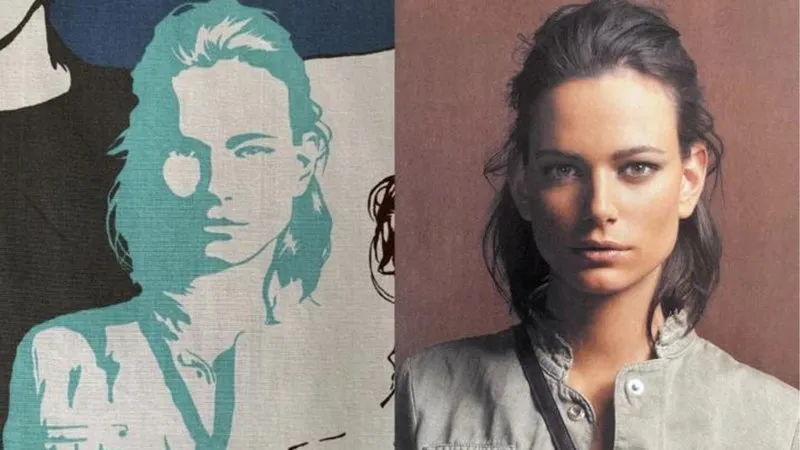
cultural retrospective
Celebrity Number Six: The Reddit Mystery That Won't Die
An unknown woman's face on a bedsheet has obsessed Reddit for seven years. The Celebrity Number Six mystery has a new clue — and the hunt is on again.
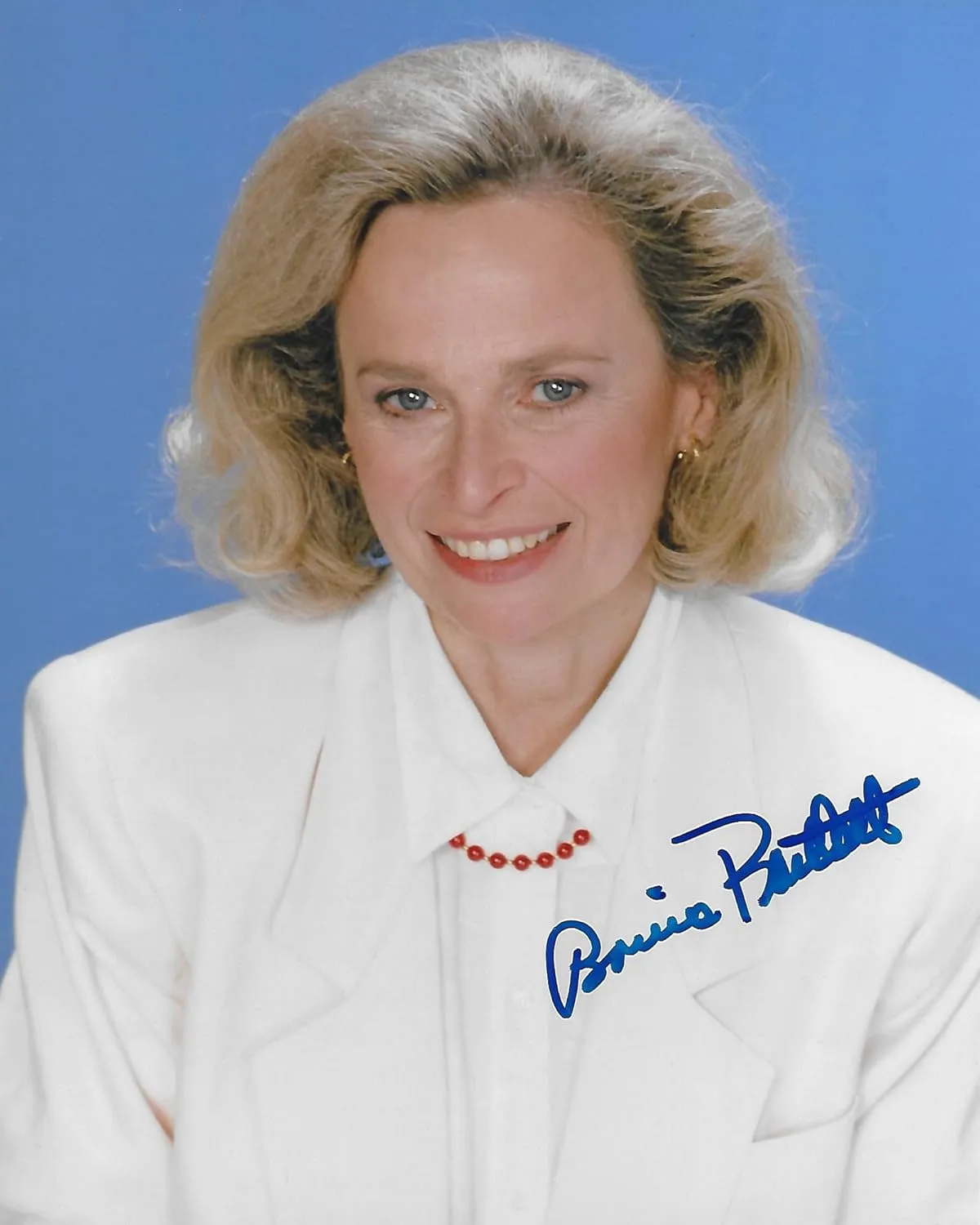
cultural retrospective
Bonnie Bartlett Rejected William Daniels — The Real Story
Bonnie Bartlett rejected William Daniels with three brutal words. They went on to marry for 70 years. Inside the rejection that almost killed the love story.

cultural retrospective
TikTok Star Patriotic Kenny Dead at 84
Patriotic Kenny built a TikTok community in his eighties from a wheelchair. Stage 4 lung cancer took him at 84. What he leaves behind is bigger than any view count.
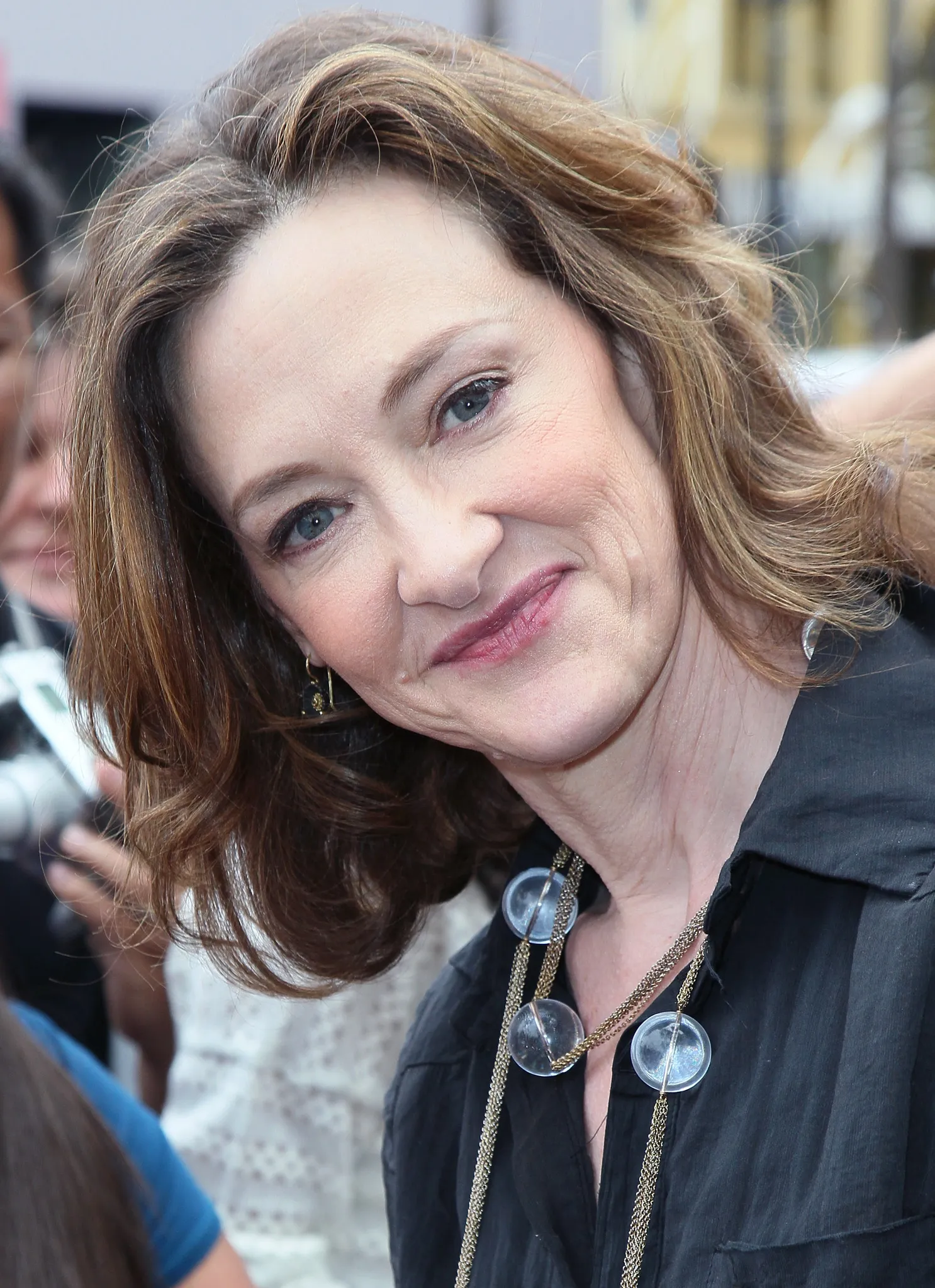
cultural retrospective
Joan Cusack Returns: First Red Carpet in 11 Years
She vanished from Hollywood at the peak of her career. On May 28, Joan Cusack reappeared - and the internet collectively gasped.