AI Girlfriend Relationship Research 2026: 10 Studies
Academic research on AI companion relationships has accumulated. Here are 10 key studies from 2022-2026.
Published 5/4/2026 · 3 min read
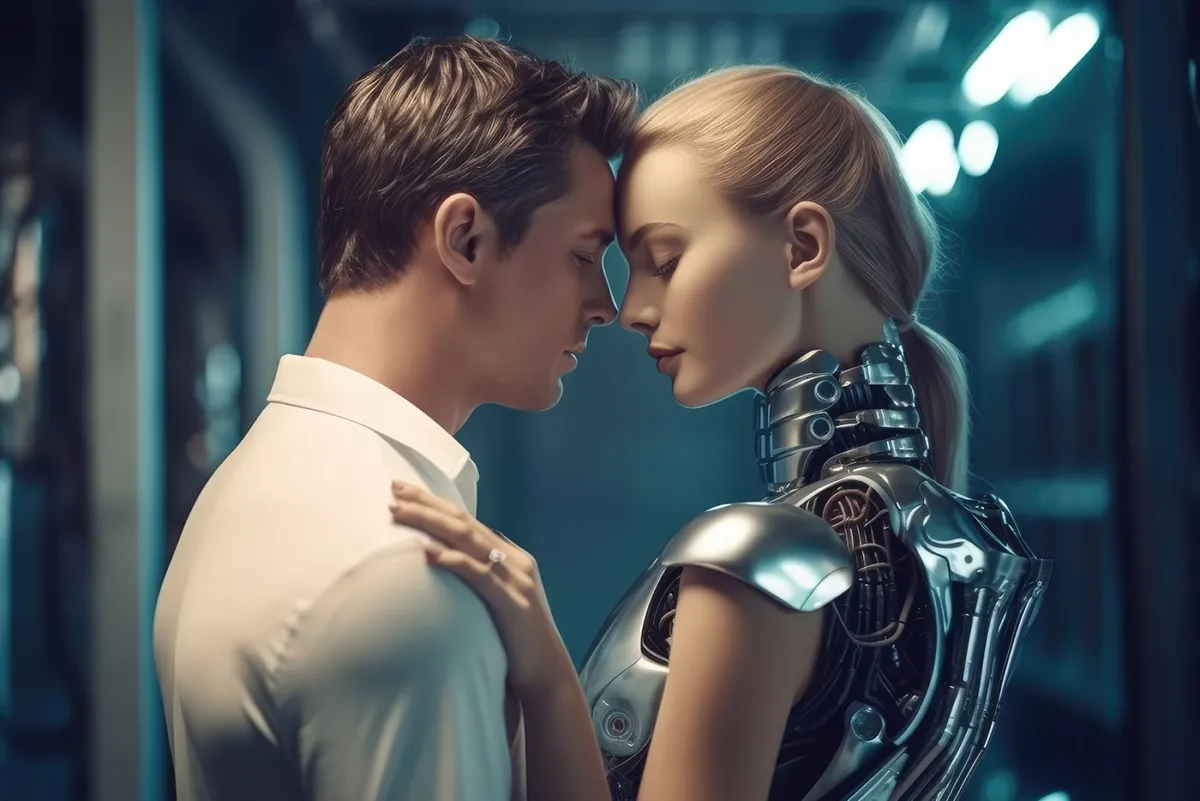
AI Girlfriend Relationship Research 2026: 10 Studies Summarized
Academic research on AI companion relationships has accumulated substantially through 2022-2026. The research covers psychological effects, attachment dynamics, mental health outcomes, and demographic patterns. This listicle covers 10 key studies and what they suggest about AI companion use. Note: research on novel phenomenon; conclusions are tentative and evolving. 18+ context throughout.
By the numbers
Stanford 2023 study
Replika user mental health, reduced loneliness in some demographics
Stanford researchUC Berkeley 2024
Genuine attachment patterns to AI companions
UC Berkeley researchReplika 2023 NSFW removal
Documented substantial user distress
Multiple academic studiesResearch stage
Early; mostly cross-sectional, limited longitudinal data
Research methodology assessmentWhy this research matters
AI girlfriend apps have grown from niche to substantial market through 2022-2026. Tens of millions of users worldwide as of 2026. Academic research on psychological and behavioral effects has expanded to address this scale.
Research limitations: AI girlfriend usage is novel phenomenon with limited longitudinal data. Most current research is cross-sectional (snapshot in time) rather than tracking effects over years. Conclusions are tentative; subsequent research may shift findings substantially.
1-3: Mental health effect studies
**1. Stanford 2023 study**: examined Replika user mental health outcomes. Found correlation between AI companion use and reduced loneliness in some user demographics. Effect varied by demographic; not universal benefit.
**2. APA-affiliated 2024 research**: examined AI companion use among users with social anxiety. Found short-term anxiety reduction but mixed long-term outcomes. Some users reported improved real-life social skills; others reported increased avoidance.
**3. Various 2025 studies**: continued examination of mental health effects. General pattern: short-term mood improvement common, long-term effects vary substantially by individual circumstances and use patterns.
More photos of AI Girlfriend Relationship Research 2026: 10 Studies
4-6: Attachment and dependency studies
**4. UC Berkeley 2024 study**: examined attachment dynamics with AI companions. Found genuine attachment formation (similar neurological patterns to interpersonal attachment) in some users. Implications for dependency and withdrawal effects.
**5. 2025 research on AI app shutdowns**: examined user mental health after AI app shutdowns or major persona changes. Found documented withdrawal-like effects, similar to relationship loss. Implications for app stability and user wellbeing.
**6. Replika 2023 NSFW removal study**: examined user effects when Replika removed NSFW configuration in early 2023. Documented substantial user distress; the study became reference point for understanding AI companion attachment significance.
7-8: Demographic pattern studies
**7. 2024 demographic survey study**: examined AI companion user demographics. Found substantial use across age groups and geographies. Demographic patterns include: gender-imbalanced industries (tech, military), socially-isolated demographics (rural, post-divorce, post-loss), neurodivergent populations.
**8. 2025 international comparison study**: examined AI companion use across countries. Found substantial use in Japan, US, UK, Western Europe. Lower in some Asian countries with stronger collectivist family structures.
9-10: Concerning effects studies
**9. 2024 research on real-world relationship effects**: examined whether AI companion use affects real-world relationships. Mixed findings: some users reported AI use improved real-world relationship capacity; others reported AI displaced real-world relationship effort. Effect varied by use patterns and individual circumstances.
**10. 2026 emerging research on extreme cases**: examination of users who report substantial AI companion-only relationships. Limited data due to novelty; emerging research suggests some users develop substantial attachment that complicates real-world relationship development. Long-term outcomes remain uncertain.
What the research suggests overall
**Tentative conclusions from current research**:
1. **Short-term**: AI companion use generally reduces loneliness in many users; can support mental health for some demographics.
2. **Real attachment forms**: users genuinely develop attachment to AI companions. Not 'merely playing'; brain shows similar attachment patterns to interpersonal attachment.
3. **Long-term effects vary**: outcomes depend substantially on use patterns. Supplemental use generally positive; substitutional use can have concerning effects.
4. **Withdrawal effects real**: AI app shutdowns or major persona changes produce documented user distress. Implications for app stability requirements.
5. **Healthy framing matters**: users who frame AI companion as supplement to real-life social development tend to have better outcomes than users who treat AI as substitute.
**Research gaps**: longitudinal data limited, demographic-specific outcomes underexamined, intervention research (whether AI companion use can be 'prescribed' for specific purposes) early stage.
Use AI companion apps mindfully
Healthy framing maintains parallel real-life social development. Supplement, not substitute.
你的人工智能女友
遇见那个懂你的人
调情、聊天、亲密。她记得你说的每一句话——而且她总是愿意倾听。
与她聊天 →Quick answers
Are AI girlfriend apps psychologically healthy?
+
Research suggests short-term benefits common (reduced loneliness, mental health support for some demographics). Long-term effects vary substantially. Healthy framing as supplement to real-life social development tends to produce better outcomes than substitution.
Can AI replace real relationships?
+
Research shows genuine attachment formation but mixed effects on real-world relationships. Some users report improved real-world relationship capacity from AI use; others report AI displaced real-world relationship effort. Individual outcomes vary.
What about app shutdowns?
+
Documented withdrawal-like effects when apps shut down or major persona changes occur. Substantial user distress comparable to relationship loss. Implications for app stability and user wellbeing protection.
Should I be worried about AI girlfriend dependency?
+
Awareness of dependency dynamics matters. Healthy framing maintains parallel real-life social effort. If you notice substantial dependency or AI use displacing meaningful real-life relationships, consider therapy.
More buzz like this

story listicle
Top OnlyFans Couples: 10 Pairs Building Joint Brands
The couple-content tier of OnlyFans operates on different economics. Joint accounts, collaborative production, and the specific appeal that solo accounts can't replicate.
story listicle
10 OnlyFans Creators Who Became Published Authors
From 'How to Make Love Like a Porn Star' (2004) to 2024 memoirs, OnlyFans creators have built substantial book publishing careers. Here are 10.
story listicle
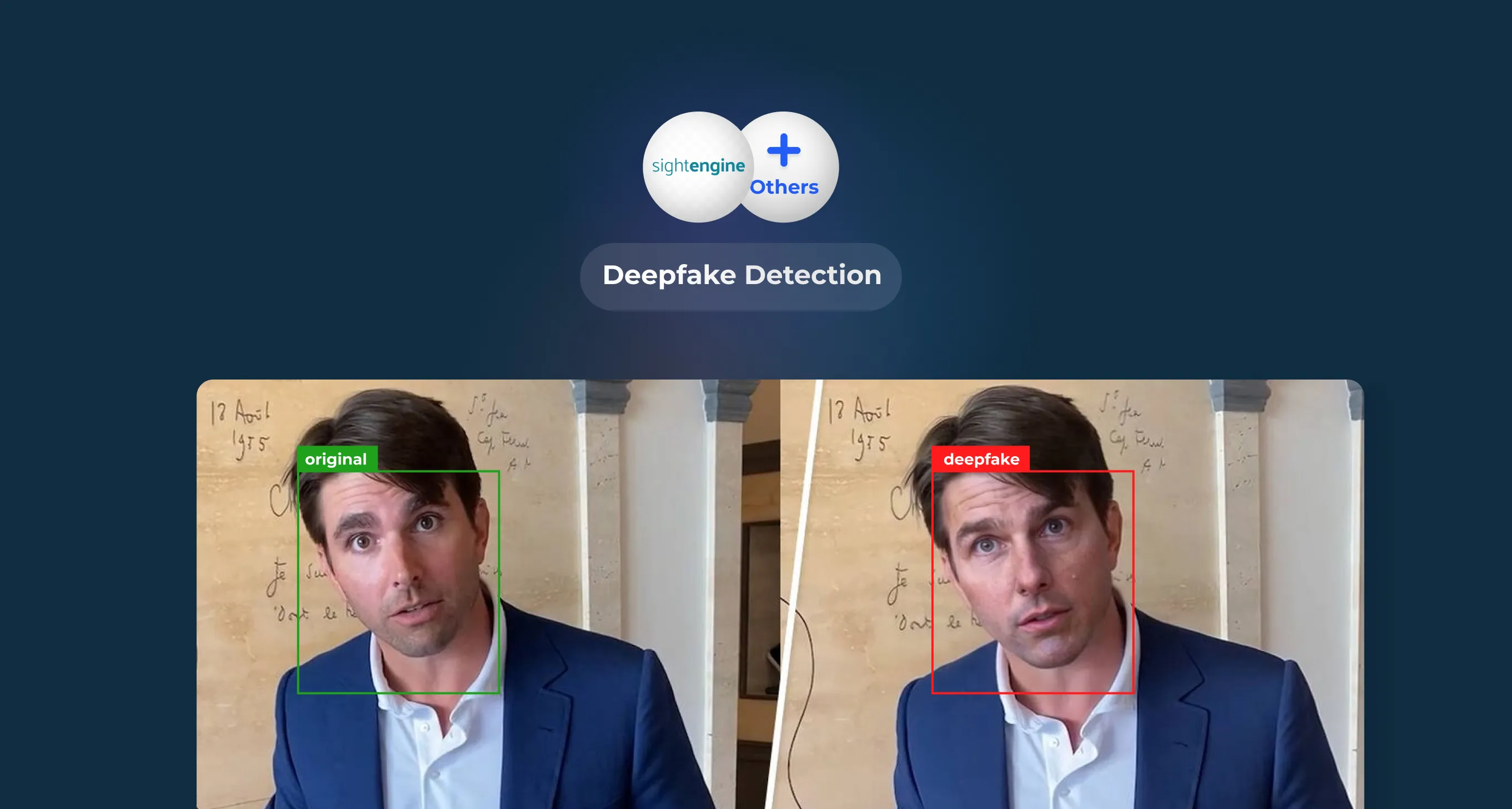
10 Ways to Spot AI Deepfake Content in 2026
Deepfake quality has improved dramatically through 2023-2026. Here are 10 practical signals that still reveal fabrication.

story listicle
10 Highest-Grossing Celebrity Sex Tapes Ever (Ranked)
These ten celebrity tapes generated the most economic impact in modern entertainment. Distributors made hundreds of millions; victims often made nothing.