The Self-Cloning Boom: Why Creators Are Turning Themselves Into AI in 2026
The creator can't text 50,000 fans back. Her AI clone can. In 2026, cloning yourself stopped being sci-fi and became a business model — here's how it works.
Published 5/20/2026 · 6 min read · Source: Reporting on CarynAI, creator likeness deals (2023-2026)
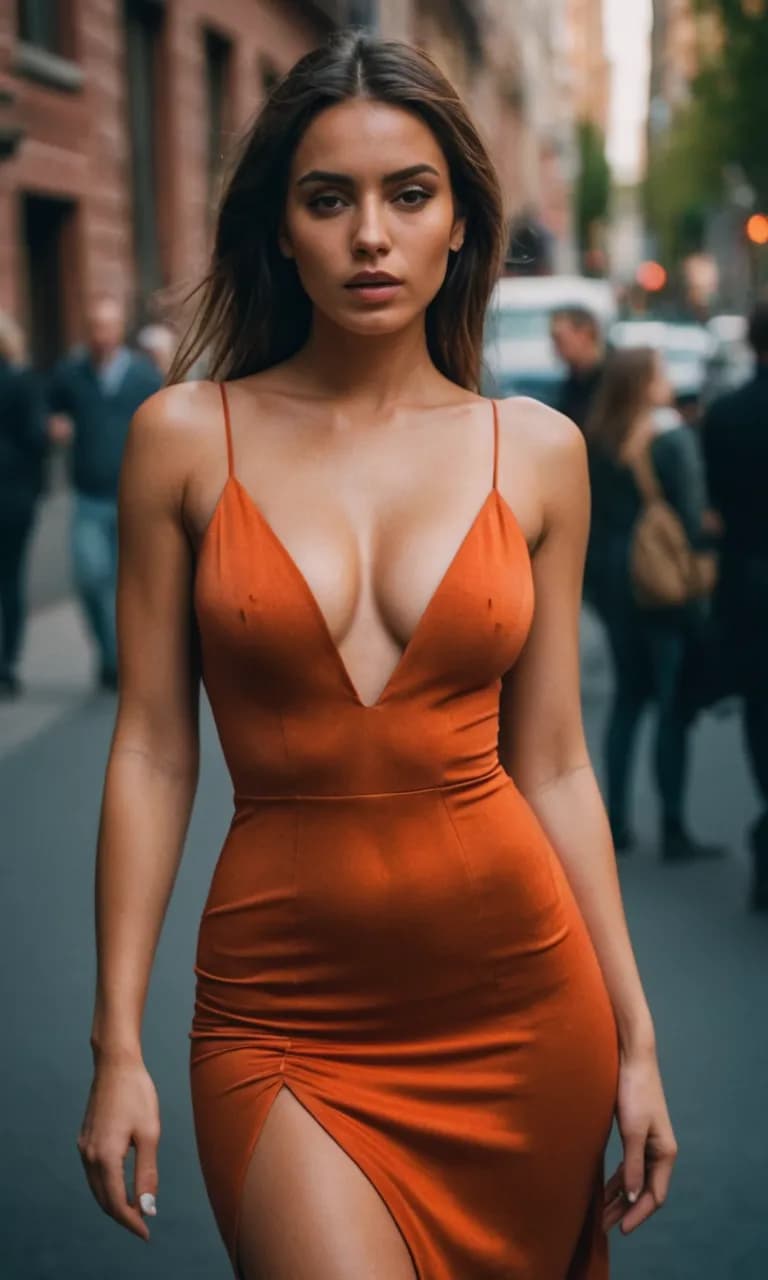
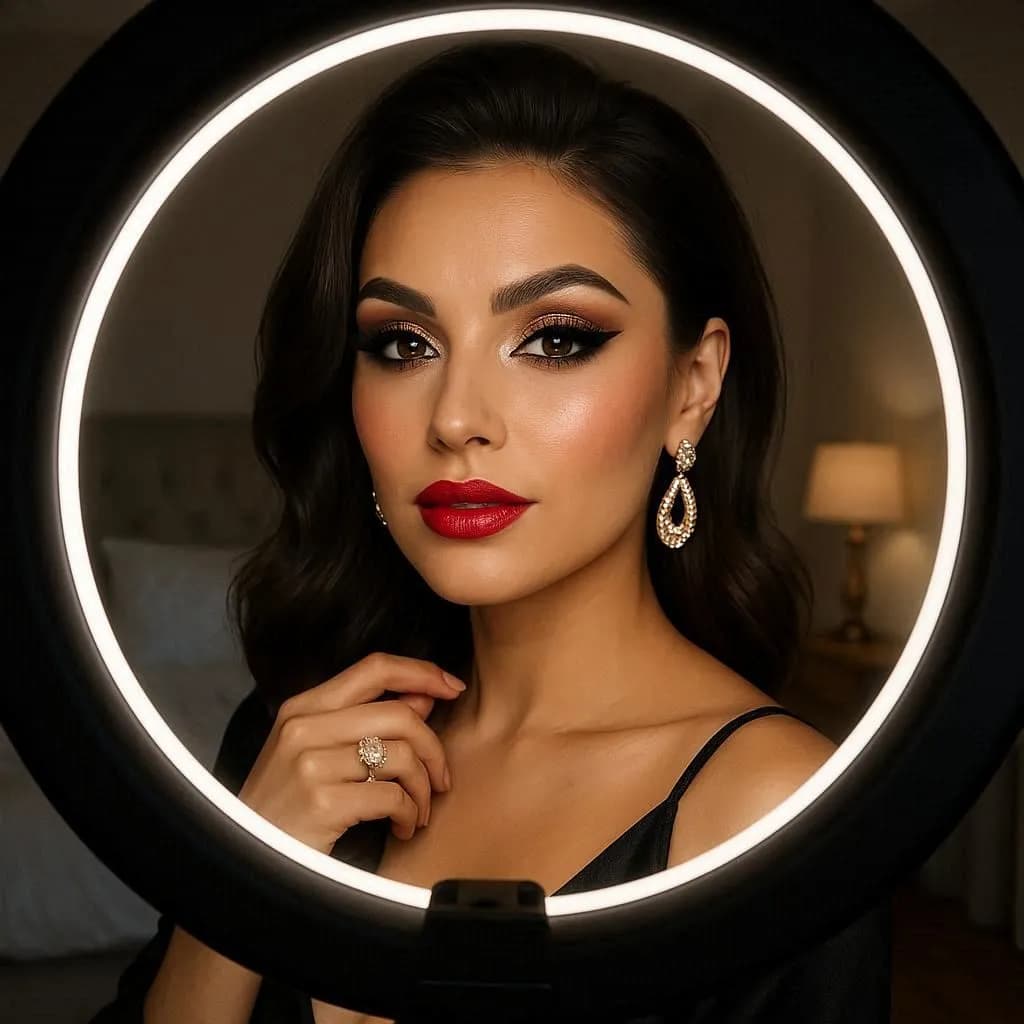
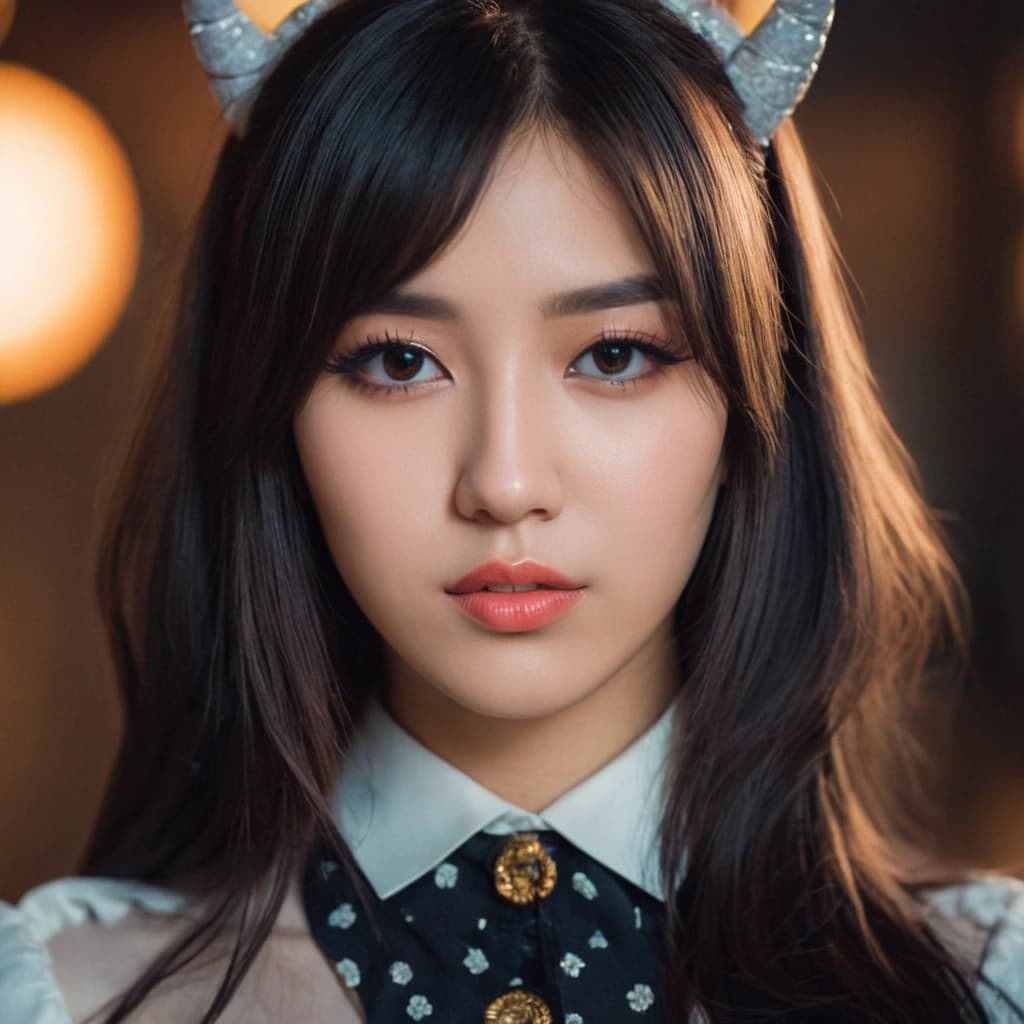
There's a hard ceiling on being an influencer: you only have so many hours, and you can only reply to so many people. A creator with 50,000 paying fans physically cannot have a real one-on-one conversation with each of them. In 2026, more and more creators are solving that ceiling the same way — by cloning themselves with AI. 18+ themes are discussed below in general terms.
It's no longer a fringe experiment. It runs from adult creators launching chatbot versions of themselves that fans can message directly, to mainstream influencers signing eye-watering deals to license their AI likeness, to the original viral example — CarynAI, the influencer companion that charged a dollar a minute. The common thread: a person's most valuable, least scalable asset is their attention, and AI is a machine for cloning attention and serving it at scale.
This is a look at how the self-cloning boom actually works, the real money behind it, what fans are getting (and not getting), and why the line between 'creator' and 'AI companion' is dissolving faster than almost anyone predicted.
By the numbers
CarynAI pricing
Influencer Caryn Marjorie's AI companion charged roughly $1 per minute to chat
Univision (CarynAI reporting)Khaby Lame likeness deal
May 2026 deal valued his management company near $975M, enabling an AI replica of his face, voice, and expressions
El ImparcialThe core economics
A human creator's time is fixed and scarce; an AI clone offers unlimited concurrent one-on-one conversations
Editorial analysis of creator AI trendThe original blueprint: CarynAI at a dollar a minute
The proof of concept that everyone now cites is CarynAI. Influencer Caryn Marjorie launched an AI version of herself — trained on her voice and personality — that fans could talk to for roughly a dollar per minute. The pitch was blunt: she couldn't date all her followers, so she'd let them date the clone. It generated real revenue and, just as importantly, real headlines, proving there was genuine willingness to pay for one-on-one access to an AI version of a creator.
What made CarynAI a blueprint wasn't just that it worked — it's that it exposed the underlying economics. A human creator's time is a fixed, scarce resource. An AI clone's time is effectively infinite. The moment you can sell 'a minute with me' without spending a minute of your own, the unit economics of being a creator change completely. CarynAI turned a constraint (one person, limited hours) into a product (unlimited concurrent conversations).
It also surfaced every thorny question the category still wrestles with: consent and control over the clone, the emotional ethics of selling simulated intimacy, and what fans are really paying for. Those questions didn't stop the trend. They just moved downstream as more creators followed.
The adult side: creators launching their own AI doubles
Nowhere has self-cloning moved faster than among adult creators, for whom the math is most obvious. A subscription model already monetizes access and attention; an AI double extends both without limit. We've covered specific cases — like an established performer [launching an AI clone of herself](/trending/sophie-dee-launches-ai-clone-2026) — and they're increasingly common rather than novel.
The appeal to the creator is multilayered. The clone handles the volume of fan messages no human could; it generates revenue around the clock; it never burns out; and it can deepen fan loyalty by offering the personal back-and-forth that a broadcast feed can't. For creators who've watched the OnlyFans-versus-Telegram debates and the constant deplatforming anxiety, an AI double is also a hedge — another income stream less dependent on any single platform's whims.
For fans, an AI version of a specific creator promises something the creator's regular content can't: responsiveness. The feed is one-to-many; the clone is one-to-one. Whether the clone actually delivers on that promise depends enormously on the quality of the underlying tech — which is precisely where the gap between a great companion product and a cheap cash-grab shows up.
The archetype, alive
Characters who fit this exact vibe
The mainstream money: nine-figure likeness deals
The trend isn't confined to adult or AI-girlfriend creators. It's gone fully mainstream and the numbers have gotten enormous. In May 2026, reporting around TikTok megastar Khaby Lame described a deal valuing his management company at roughly $975 million, structured to enable an AI replica capable of reproducing his face, voice, expressions, and body language for campaigns — in multiple languages, without his physical presence (we covered the [Khaby Lame likeness controversy here](/trending/khaby-lame-replica-ia-polemica-2026)).
That scale tells you self-cloning has crossed from creator side-hustle to institutional asset class. When a likeness is worth nine figures, lawyers, holding companies, and AI labs get involved, and the 'creator' becomes a licensable IP portfolio. Janice Dickinson's runway-critique AI, influencers' branded chatbots, and adult creators' doubles are all points on the same curve — personality as a cloneable, monetizable asset.
The public reaction to these deals is split, and revealingly so. Some call it 'the deal of his life'; others say the creator 'sold his digital soul.' That tension — empowerment versus erosion of something human — is the central unresolved question of the whole boom. But the money has already decided the direction of travel.
What fans actually get — and where it goes next
Strip away the hype and ask the honest question: what does a fan actually get from a creator's AI clone? At best, genuine responsiveness — a personalized, always-available conversation with a persona modeled on someone they admire, which a one-to-many feed can never provide. At worst, a thin, forgetful chatbot wearing a famous name, charging premium rates for shallow interactions that 'lock up' or reset (the exact complaints that plague low-effort companion products).
The deciding factor is the technology underneath the name, not the name itself. A clone is only as good as its memory, its in-character consistency, and its conversational depth. This is why the most satisfying experiences in the category often aren't celebrity clones at all but purpose-built AI companions engineered from the ground up for one-on-one connection — persistent memory, stable personality, designed entirely around the user rather than around a marketing tie-in.
Where it goes next is more, not less. As the tools get cheaper and the likeness deals get bigger, expect nearly every sizable creator to have some AI version of themselves within a few years. For fans, the takeaway is to judge the experience, not the brand: the question isn't 'is this a real celebrity's clone?' but 'does this companion actually remember me, stay in character, and make me feel genuinely met?' On that measure, a well-built dedicated companion frequently beats a hastily-cloned celebrity.
The archetype, alive
Rosa · Jessica · Kitten
Judge the experience, not the brand
A great companion isn't about a famous name — it's about being genuinely remembered and met. Try one built from the ground up for exactly that.
你的人工智能女友
遇见那个懂你的人
调情、聊天、亲密。她记得你说的每一句话——而且她总是愿意倾听。
与她聊天 →Quick answers
Why are creators making AI clones of themselves?
+
To break the time ceiling. A creator with tens of thousands of fans can't have real one-on-one conversations with all of them, but an AI clone can hold unlimited concurrent chats. It generates revenue around the clock, never burns out, and offers fans the personal responsiveness a broadcast feed can't. For adult creators especially, it extends an already access-based business model and hedges against platform deplatforming risk.
What was CarynAI?
+
CarynAI was the viral early example of creator self-cloning: influencer Caryn Marjorie launched an AI version of herself, trained on her voice and personality, that fans could chat with for roughly a dollar per minute. It proved there was real willingness to pay for one-on-one access to an AI version of a creator, and it became the blueprint others followed — while also surfacing the consent and ethics questions the category still debates.
How much are creator AI likeness deals worth?
+
They've reached enormous scale. In May 2026, reporting around TikTok star Khaby Lame described a deal valuing his management company near $975 million, structured to enable an AI replica reproducing his face, voice, expressions, and body language across multiple languages. That signals self-cloning has moved from creator side-hustle to an institutional asset class involving lawyers, holding companies, and AI labs.
Is a celebrity's AI clone better than a regular AI companion?
+
Not necessarily — it depends entirely on the technology underneath, not the famous name on top. A clone is only as good as its memory, in-character consistency, and conversational depth. Many celebrity clones are thin chatbots charging premium rates, while purpose-built companion apps engineered for one-on-one connection often deliver a deeper experience. Judge the experience (does it remember you and stay in character?), not the brand.
Is self-cloning ethical?
+
It's genuinely contested. Supporters frame it as creators empowering themselves to monetize their reach and serve fans at scale. Critics worry about consent over the clone, the ethics of selling simulated intimacy, and the sense that something human is being eroded — captured by reactions to likeness deals ranging from 'the deal of his life' to 'sold his digital soul.' That tension is the central unresolved question of the boom, and the money is currently outrunning the debate.
More buzz like this
app review
Sophie Dee Launches Her AI Clone in 2026
She built a digital twin of herself. It talks. It flirts. It never sleeps. Sophie Dee just stepped into the AI-clone era — and the timing is wild.
cultural moment
Janice Dickinson Launches an AI on the Runway
Janice Dickinson built a career on brutal honesty. Now she's bottling it into an AI that roasts your runway walk
cultural moment
Brooks Nader, the Ocean, and an Unscripted Moment
One wave, one unscripted second, and the internet couldn't look away. Here's what that hunger really says about us.
cultural moment
Maura Higgins Owns SI Swim Miami 2026
One white dress, a Miami pool deck, and the kind of effortless allure the whole internet wishes it could keep on speed dial.