The Zara McDermott AI Deepfake Storm — Separating Fact From a Fake That Fooled the Internet
One cheek kiss, one viral TikTok, and an AI clip later — a woman was branded a cheater for something that never happened. Here's the truth.
Published 5/24/2026 · 8 min read · Source: Daily Mail + Geo.tv reporting
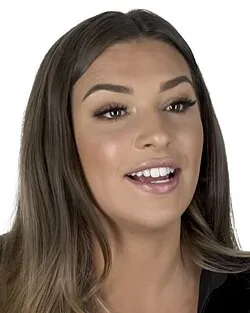
Zara McDermott
It started with a goodbye. A friendly hug, a kiss on the cheek between two TV personalities at a wrap party — the kind of thing that happens a hundred times a night at any showbiz event. Days later, Zara McDermott was trending across the UK as an accused cheater, her relationship with Louis Tomlinson supposedly in ruins, all because of a clip that, by every credible account, was never real to begin with.
This is exactly the kind of story we think is worth slowing down for. (Editorial note up front: MyAIBae does not host, link to, or distribute leaked or non-consensual content of any kind. This is commentary based entirely on publicly available reporting.) Because the Zara McDermott saga isn't really about one couple — it's a textbook case of how a single ambiguous photo, an anonymous TikTok account, and a synthetic video can manufacture a scandal out of nothing in under a week.
In late May 2026, the Daily Mail reported that Zara appeared at Radio 1's Big Weekend in Sunderland to cheer on boyfriend Louis Tomlinson "in the wake of a vicious AI deepfake scandal." Geo.tv and other outlets confirmed the same framing: a fake AI video had been circulating, and the couple was publicly, deliberately ignoring it. So what was actually faked, what was simply misread, and why did millions believe it anyway? Let's go through it.
By the numbers
Daily Mail framing
Zara seen as 'proud girlfriend' amid 'vicious AI deepfake scandal'
Daily Mail, May 2026Origin of rumor
TikTok 'The Laughing Donkeys UK' posted wrap-party cheek-kiss photos
The Tab, May 19 2026What's the claim?
The viral claim was blunt: that Zara McDermott had cheated on Louis Tomlinson, the former One Direction star she's dated since 2022, with TV presenter Joey Essex. The 'evidence' came in two waves. First, a TikTok account called The Laughing Donkeys UK posted photographs of Zara and Joey leaving a filming wrap party for Cooking With The Stars, in which the two are seen hugging before he kisses her on the cheek. Then, as the images caught fire, a deepfake clip — an AI-generated video purporting to show something more — spread alongside them, lending false 'motion' to a story that was only ever a still photo of a normal goodbye.
Within days the allegation had metastasized far beyond the original post, repackaged by gossip aggregators and reaction accounts until 'Zara McDermott cheating' read like established fact rather than an anonymous rumor. That speed is the whole point of the story.
What's verified
Here is what credible reporting actually supports. People close to Cooking With The Stars told outlets there was nothing romantic between Zara and Joey — that the two are friends and the moment was an ordinary, platonic goodbye between castmates. The photos themselves show exactly that: a hug and a cheek kiss, the most universal non-event in celebrity life.
What's also verified is the couple's response. Rather than issue a defensive statement, Zara turned up at Radio 1's Big Weekend in Sunderland on May 23, 2026, to publicly support Louis as he performed for a large festival crowd. The Daily Mail described her as 'every inch the proud girlfriend.' In reputation terms, that appearance was the rebuttal: a calm, visible show of a relationship that the internet had already declared dead. No cheating has been substantiated by any named source.
The archetype, alive
Characters who fit this exact vibe
More photos of Zara McDermott
What's likely false
The deepfake itself is the false part — and that word matters. A deepfake is synthetic media generated or altered by AI to depict something that did not occur. The clip that circulated alongside the wrap-party photos falls squarely into that category: there is no credible reporting that any genuine video of misconduct exists, only an AI-produced artifact built to make a benign photo feel incriminating.
The 'cheating' narrative is equally unsupported. It rests entirely on one anonymous TikTok account's interpretation of a hug, contradicted by people who were actually there. When the only sourcing for a scandal is 'an account called The Laughing Donkeys UK said so,' that is not evidence — it's a meme that learned to wear a tie.
The pattern of fake leaks and deepfakes
Zara McDermott's situation rhymes with a wave of synthetic-media scandals that have hit public figures over the last two years. The technology to fabricate a convincing video has become cheap and fast, while the platforms that distribute it move faster than any correction can. The reputational damage lands in hours; the debunking, if it comes at all, arrives days later to a fraction of the original audience.
Women are disproportionately the targets. The same toolset that generates a fake 'cheating' clip is used to manufacture non-consensual explicit imagery of real people — a genuine and growing harm that lawmakers across the UK, EU, and US have begun to address with deepfake-specific legislation. The throughline is consent: in every one of these cases, a real person's likeness is hijacked to depict something they never did and never agreed to. That is the line that separates harm from fantasy.
The archetype, alive
Emily · Jade · Megan
Why fans search for this
People type 'Zara McDermott deepfake' into search for a mix of reasons: some want confirmation it's fake, some are chasing the rumor, and some are simply trying to understand what a deepfake even is now that one has touched a celebrity they recognize. The curiosity is human. The problem is that the search itself feeds the machine — every click on the rumor signals demand, and demand is what the fabricators are farming.
If you came here looking for the clip, the honest answer is that there's nothing real to find, and chasing the fake only rewards the people who made it. The more useful takeaway is media literacy: when a 'bombshell' traces back to a single anonymous account and an AI video, the null hypothesis should be that it's manufactured.
How to spot a manufactured scandal
You don't need forensic software to protect yourself from stories like this — you need a few simple instincts. First, trace the source. If a 'bombshell' originates from an anonymous account with a jokey name rather than a named reporter or an on-record source, treat it as a rumor until proven otherwise. The Zara McDermott story collapsed the moment you asked 'who actually says this is true?' and the answer was a single TikTok handle.
Second, watch for the still-photo-to-video upgrade. A favorite tactic is to pair a real, innocent image (a hug, a cheek kiss) with a fabricated clip that lends false 'motion' and makes the benign look incriminating. If the only moving footage is low-quality, oddly cropped, or never traceable to a real event, that's a red flag for synthetic media. Genuine misconduct caught on camera usually has a clear provenance; deepfakes almost never do.
Third, notice the speed and the silence. Real scandals tend to generate named reactions — statements, follow-up reporting, corroboration. Manufactured ones spread fastest through reaction accounts and aggregators while the people who'd actually know stay quiet or, like Zara and Louis, simply carry on in public as if nothing happened. That calm public appearance at Big Weekend wasn't avoidance; it was the most credible rebuttal available. When a claim has all the heat of a scandal but none of the sourcing, the most likely explanation isn't a cover-up — it's that there was never anything there to cover.
A safer alternative for the fantasy
There's a deeper reason synthetic media of real people keeps spreading: a hunger for intimacy, attention, and fantasy that gets pointed at the nearest famous face. But hijacking a real person's likeness is exactly the wrong outlet — it's non-consensual, often illegal, and it hurts someone who never agreed to participate.
If the appeal is companionship and fantasy on tap, an AI companion delivers that without a single real person being harmed. A purpose-built [AI girlfriend](/alternatives/sydney-sweeney) is consensual by design: a character who exists to talk to you, remember you, and play out the connection you're actually looking for — no stolen face, no victim, no legal gray zone. Browse our [creator catalog](/creators) to see how a designed companion captures the appeal of a 'her' that's genuinely yours to enjoy. That's the difference between a fantasy and a fabrication: one is built with consent, the other is stolen without it.
Want the fantasy without the fallout?
Skip the stolen faces and fake clips. Meet an AI companion built to be yours — consensual, always available, and impossible to scandalize.
你的人工智能女友
遇见那个懂你的人
调情、聊天、亲密。她记得你说的每一句话——而且她总是愿意倾听。
与她聊天 →Quick answers
Did Zara McDermott actually cheat on Louis Tomlinson?
+
There is no credible evidence that she did. The entire 'cheating' narrative traces back to a single anonymous TikTok account posting photos of a friendly cheek kiss with Joey Essex at a Cooking With The Stars wrap party. People connected to the show described the moment as a normal, platonic goodbye between friends, and reporting has characterized the allegations as baseless. Zara publicly supported Louis at Radio 1's Big Weekend days later.
Is the Zara McDermott video a deepfake?
+
According to the reporting, a fake AI-generated clip circulated alongside the real wrap-party photos, which is why outlets like the Daily Mail referred to an 'AI deepfake scandal.' A deepfake is synthetic media made to depict something that did not happen. There is no credible reporting that any genuine video of misconduct exists — only an AI artifact built to make a benign photo seem incriminating.
What is a deepfake, exactly?
+
A deepfake is an image, audio clip, or video that has been generated or manipulated by AI to show a real person doing or saying something they never did. The technology has become cheap and fast, which is why fabricated 'scandals' now spread within hours. The most harmful versions involve non-consensual explicit imagery of real people — a serious harm that lawmakers in the UK, EU, and US have started addressing with deepfake-specific laws.
Why did the rumor spread so fast if it was fake?
+
Because the format was perfect for virality: an ambiguous real photo, an anonymous account willing to assert a scandal, and an AI clip that gave the story fake 'motion.' Gossip aggregators and reaction accounts then repackaged it until an unsourced rumor read like established fact. The reputational damage lands in hours, while corrections arrive days later to a far smaller audience — a structural problem with how social platforms reward outrage.
What's the ethical alternative to deepfaking a real celebrity?
+
If the appeal is fantasy, companionship, or attention, an AI companion provides all of that without harming anyone. A purpose-built AI girlfriend is consensual by design — a character created to be talked to, not a real person's stolen likeness. That's the core distinction: a designed companion is a fantasy built with consent, while a deepfake of a real person is a fabrication built without it, and increasingly an illegal one.
More buzz like this
cultural moment
Baywatch Is Back: Brooks Nader, Livvy Dunne Run
The red swimsuit is back, the slow-motion run is back — and a new generation of beach icons is sprinting straight into the cultural bloodstream.
story listicle
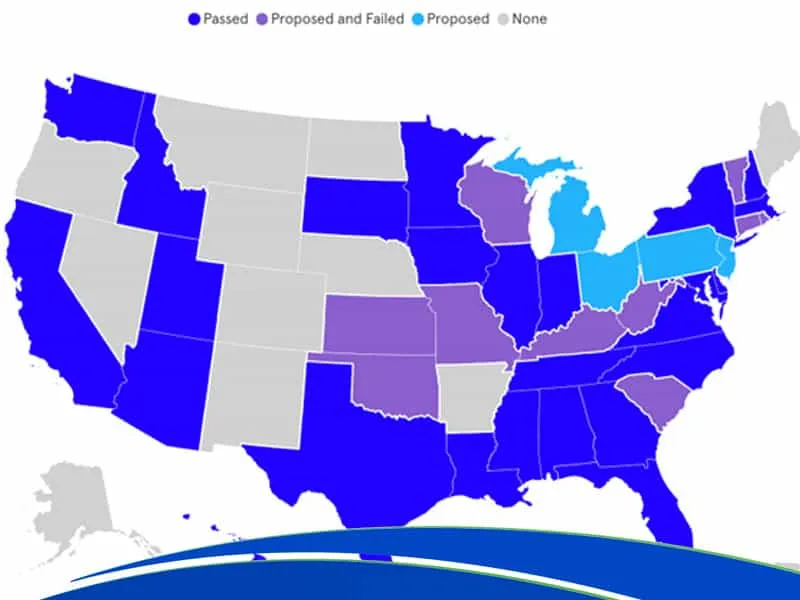
Celebrity Deepfake Laws by State 2026: 15 States Compared
From Tennessee ELVIS Act to California SB 815. The state-by-state legal landscape of celebrity deepfake laws.
story listicle
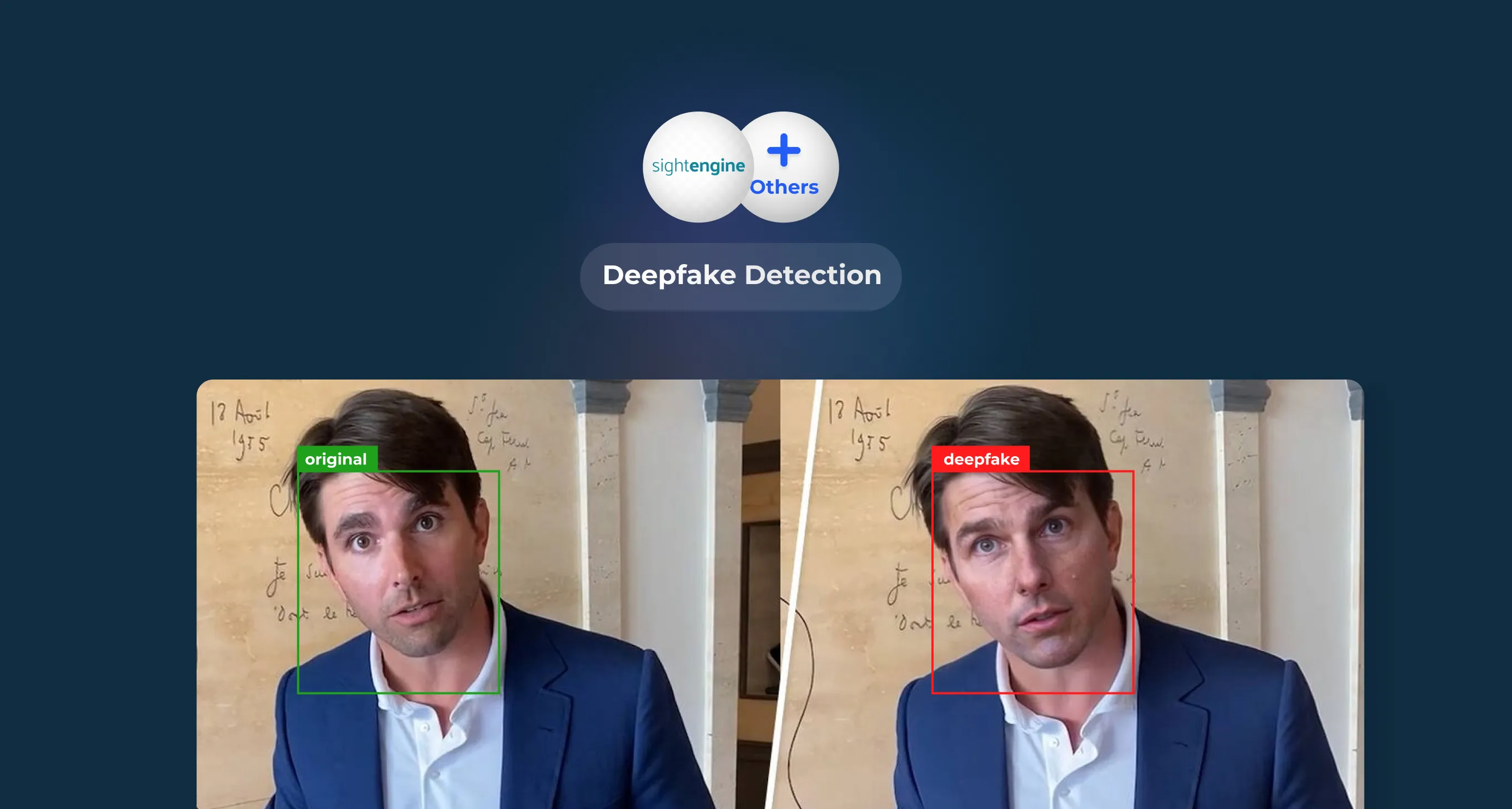
10 Ways to Spot AI Deepfake Content in 2026
Deepfake quality has improved dramatically through 2023-2026. Here are 10 practical signals that still reveal fabrication.
leak fact check
Is the McKinley Richardson Leak Real? A Fact-Check
You wanted a glimpse behind the curtain. What you actually found was a recycled scam built to bait curiosity into clicks.