Taylor Swift Deepfake X Ban: The January 2024 Inflection Point
On January 25, 2024, X temporarily banned Taylor Swift searches because deepfakes of her overwhelmed the platform. That moment changed federal law.
Published 5/4/2026 · 4 min read
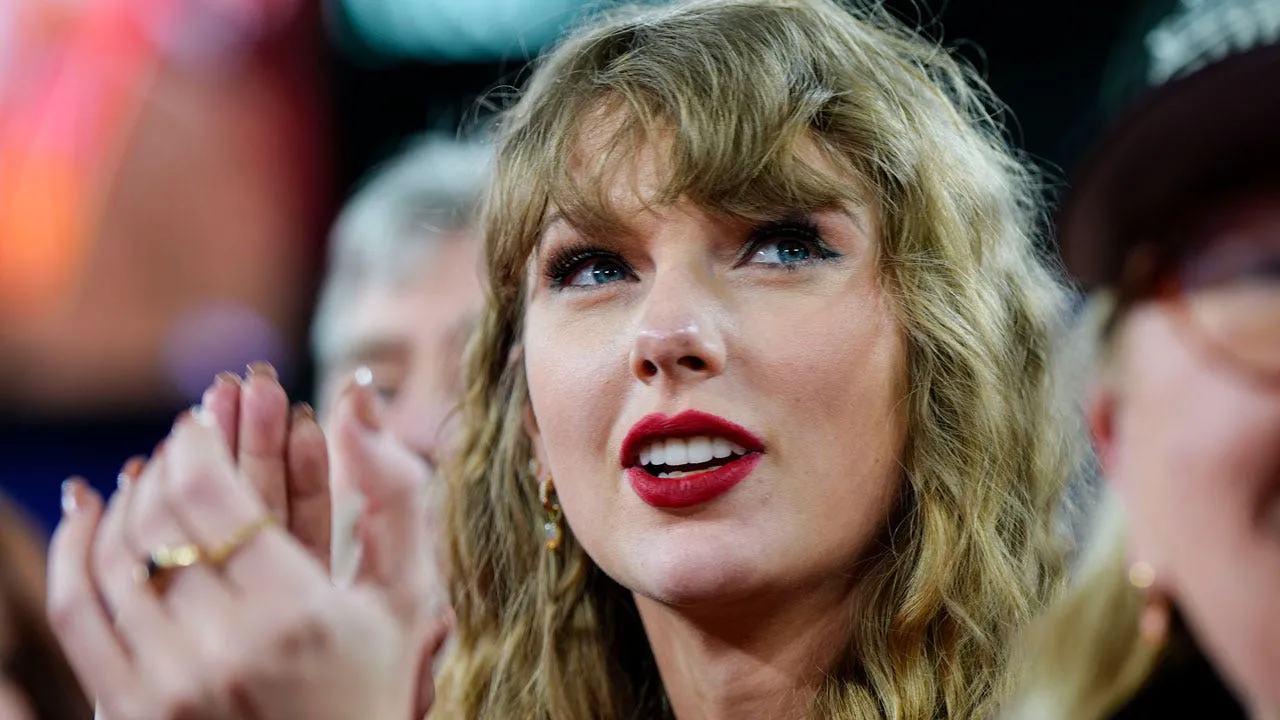
Taylor Swift Deepfake X Ban: The January 2024 Inflection Point
On the night of January 24-25, 2024, AI-generated deepfake images of Taylor Swift in sexually explicit scenarios spread virally on X (formerly Twitter). The volume was so overwhelming that X took the unprecedented step of temporarily blocking searches for 'Taylor Swift' on the platform. The incident became the political inflection point that accelerated federal legislation (NO FAKES Act) and state law cascades (Tennessee ELVIS Act, California SB 815) addressing non-consensual deepfakes.
MyAIBae does not host or distribute deepfake content. This is editorial commentary on a foundational legislative moment. 18+ context throughout.
By the numbers
Most-shared image views
47 million on X
X analytics during incidentInitial X removal delay
17+ hours
Multiple media coverageX search block duration
~48 hours starting Jan 27, 2024
Platform announcementsELVIS Act passed
July 2024 (Tennessee)
Tennessee legislative recordsCalifornia SB 815
Effective January 2025
California legislative recordsOriginating tool
Microsoft Designer (Copilot/DALL-E based)
Microsoft confirmationJanuary 24-25, 2024: The deepfake spread
The deepfake images appeared to originate from a 4chan thread that challenged participants to bypass content filters of various AI image generators. The most-shared image accumulated 47 million views on X before removal. Cross-platform spread was rapid — Reddit, Telegram, various aggregator sites picked up the content within hours.
X's content moderation response was substantially slower than competitors. The platform took 17+ hours to begin removing the most-shared image, allowing exponential spread. The slow response reflected the post-Musk-acquisition reduction in trust-and-safety staff that had been documented through 2023.
The deepfakes were generated using Microsoft's Designer tool (Copilot/DALL-E based), which Microsoft subsequently patched to block similar generation patterns. The originating 4chan participants were never publicly identified.
X's unprecedented response
On January 27-28, 2024, X took the unprecedented step of blocking searches for 'Taylor Swift' and related terms entirely on the platform. Users searching for her name received error messages. The block lasted approximately 48 hours before X restored search functionality with promises of better content moderation.
This was the first major instance of a major social platform blocking searches for a public figure's name due to non-consensual content spread. The action was widely criticized as both insufficient (didn't stop spread on other platforms) and as overreach (blocking legitimate searches). The action demonstrated the operational difficulty platforms face when deepfake spread overwhelms moderation capacity.
The response generated substantial bipartisan political pressure. Senators from both parties referenced the incident in subsequent floor speeches advocating for federal deepfake legislation.
More photos of Taylor Swift Deepfake X Ban: The January 2024 Inflection
Legislative cascade: NO FAKES Act + state laws
The Taylor Swift deepfake incident directly accelerated multiple legislative initiatives. The NO FAKES Act (federal) was reintroduced in 2024 with significantly expanded support. The bill creates federal civil remedies for non-consensual digital likeness use including AI-generated content. The bill passed multiple committee markups in 2024-2025.
State-level legislation accelerated dramatically. Tennessee's ELVIS Act (passed July 2024) created the first state-level criminal AI deepfake law specifically addressing voice and likeness. California SB 815 (effective January 2025) created civil and criminal remedies. Multiple other states (Texas, New York, Florida, others) followed with related legislation through 2024-2025.
Platforms implemented substantial policy changes through 2024-2025. Microsoft patched Designer (the originating tool). X eventually announced enhanced AI content detection. Reddit, Discord, Telegram all implemented expanded deepfake-removal policies.
The Taylor Swift incident became the citation point in subsequent policy discussions — referenced repeatedly in congressional testimony, state-level hearings, and platform policy announcements as the inflection moment that crystallized urgency.
What changed in 2024-2026
Pre-incident: deepfake legislation was discussed academically and in narrow technical circles. Major platforms had inconsistent moderation policies. State laws were patchwork or nonexistent in most jurisdictions.
Post-incident: federal civil framework progressed substantially toward enactment. State criminal laws expanded across major jurisdictions. Platform policies tightened. AI image generation tools added explicit prohibitions on celebrity likeness generation. Public conversation shifted from 'this is theoretical concern' to 'this is current crisis.'
Not fully solved: deepfakes continue to be generated and distributed. Enforcement remains uneven. Smaller platforms and decentralized distribution channels (Telegram, dark web) remain difficult to address. The legal framework has improved but actual deepfake volume remains substantial.
The Taylor Swift incident is now standard-reference for the policy era. Without that specific high-profile incident, the legislative cascade likely would have been substantially slower.
The clean alternative to deepfake content
AI companion apps deliver original characters, full configurability, and zero legal exposure. The deepfake search returns nothing legitimate.
你的人工智能女友
遇见那个懂你的人
调情、聊天、亲密。她记得你说的每一句话——而且她总是愿意倾听。
与她聊天 →Quick answers
Why did X ban Taylor Swift searches?
+
On Jan 27-28, 2024, X temporarily blocked searches for 'Taylor Swift' because deepfake images of her had spread to such volume that the platform's moderation couldn't keep up. The block lasted ~48 hours.
What tool generated the deepfakes?
+
Microsoft Designer (Copilot/DALL-E based image generation). The 4chan thread that originated the images explicitly challenged participants to bypass Microsoft's content filters. Microsoft subsequently patched the tool.
What laws did this incident drive?
+
Federal NO FAKES Act (in progress), Tennessee ELVIS Act (July 2024), California SB 815 (January 2025), various other state laws in Texas/NY/Florida 2024-2025. The incident was the citation point in subsequent legislative hearings.
Are the deepfakes still online?
+
Major platforms removed them. Smaller decentralized channels (Telegram, dark web) likely retain copies. Distribution is illegal in growing number of jurisdictions. We don't link or facilitate access.
Did Taylor Swift comment publicly?
+
Taylor Swift did not directly comment in the immediate aftermath. Her team coordinated with platforms on takedowns. The political response and her substantial cultural capital drove legislative attention without her needing to lead it publicly.
More buzz like this
cultural retrospective
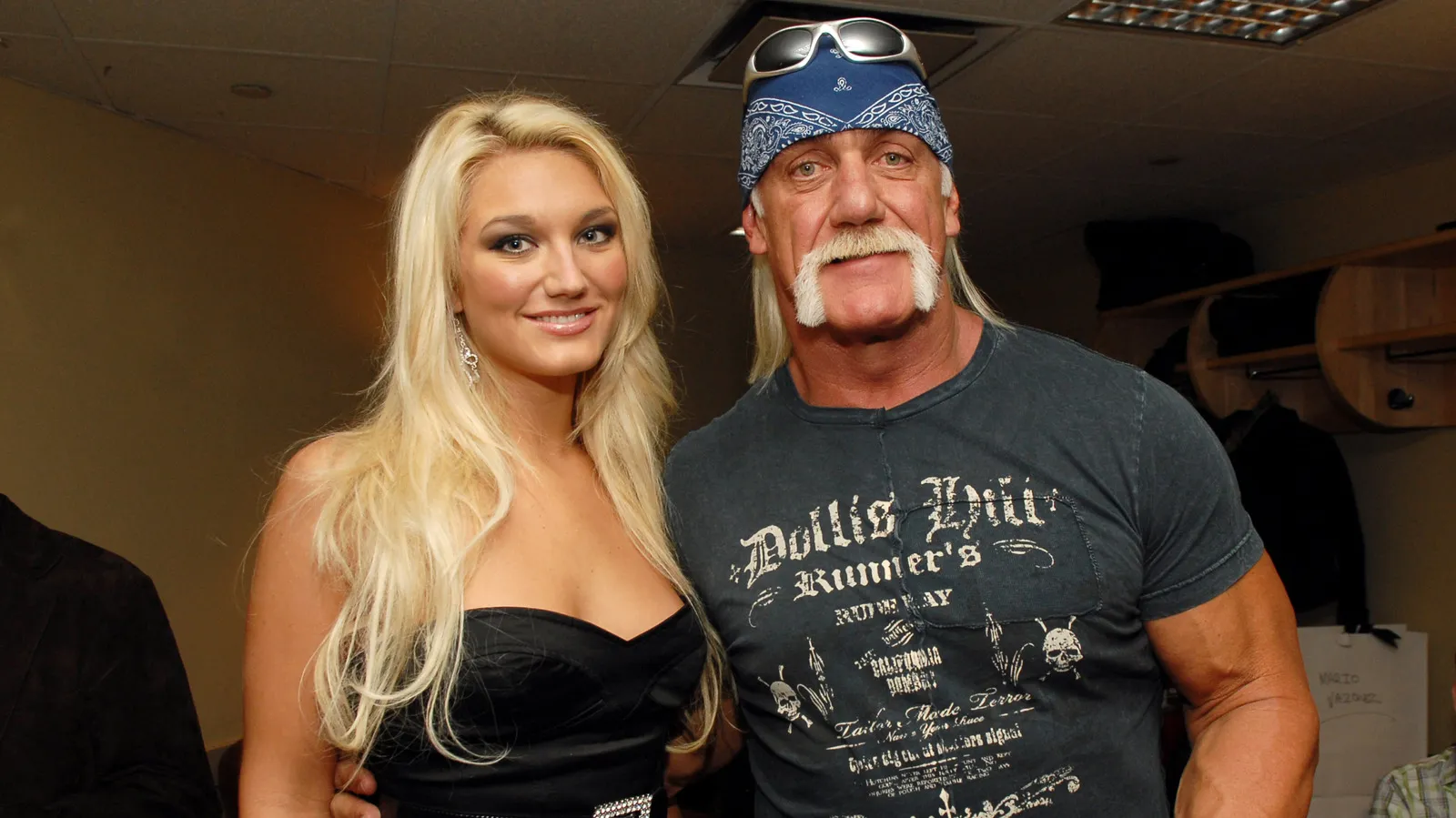
2010s Celebrity Sex Tape Era: From Hulk Hogan to Erin Andrews
The 2010s established the modern legal framework around celebrity image violations. Here's the cultural retrospective.
cultural retrospective
Tumblr 2012-2018 NSFW Era: How a Platform Killed Itself
Tumblr was the dominant NSFW community 2012-2018. December 2018 ban killed traffic 30%+. Here's the cultural retrospective.
cultural retrospective
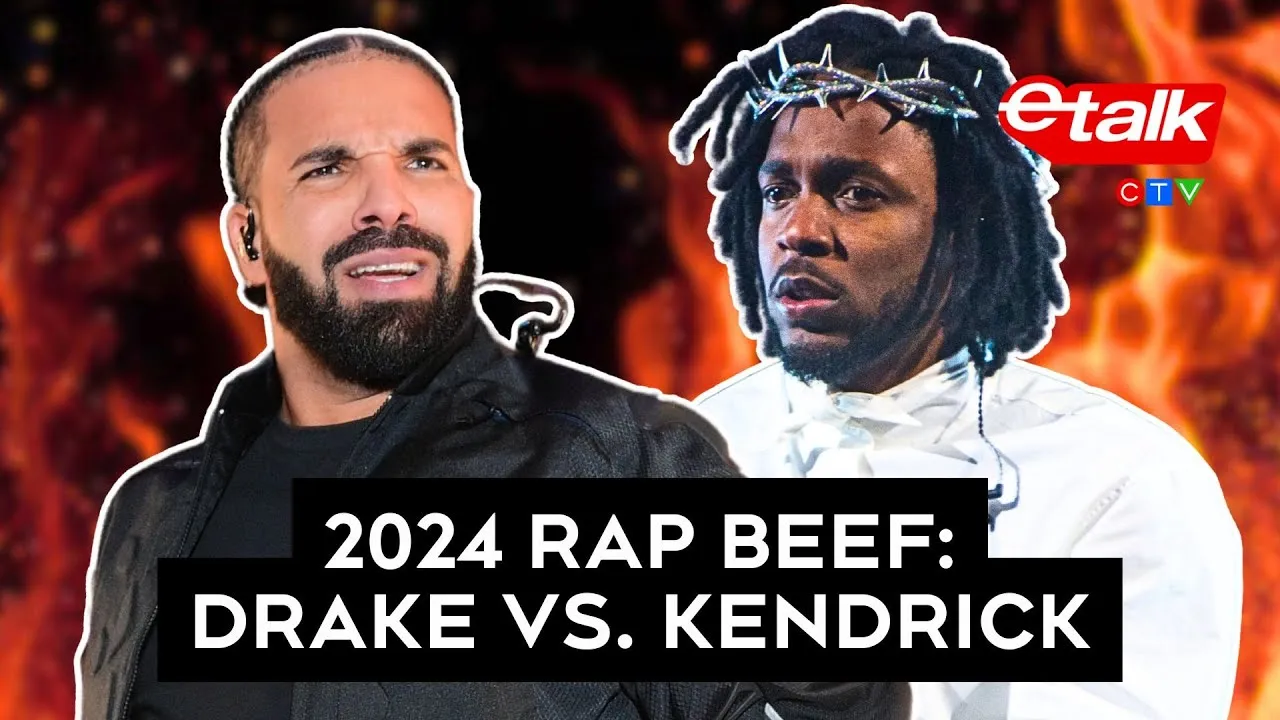
Drake Kendrick Beef 2024: Cultural Retrospective
From March 2024's Like That to May 2024's Not Like Us. The Drake-Kendrick beef dominated 2024 hip-hop. Here's the cultural retrospective.

cultural retrospective
Wikileaks Anonymous Celebrity Retrospective
Anonymous and WikiLeaks celebrity-content era